
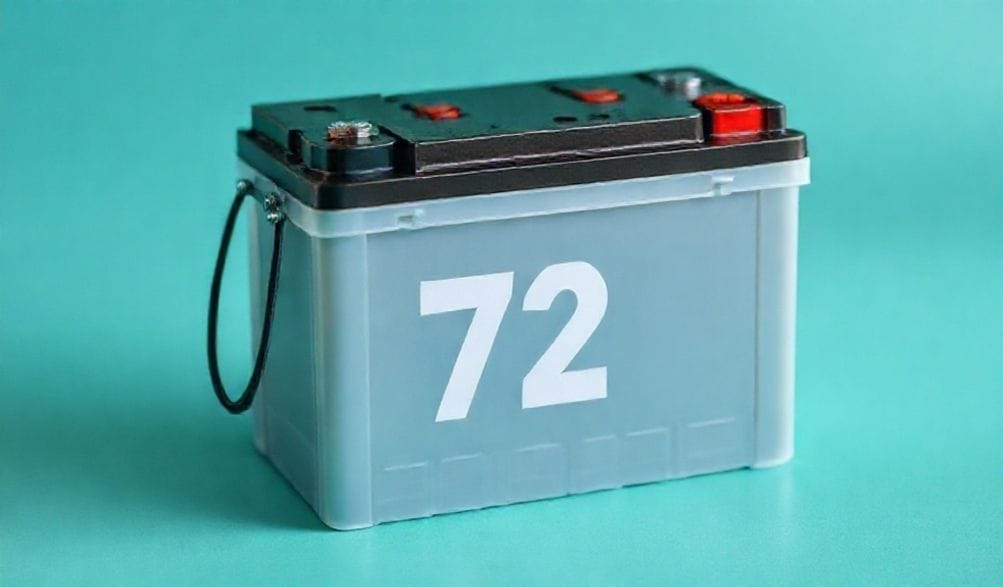
The Ultimate Guide to 72V Batteries: Power, Performance, and Practical Applications
Introduction
You’re halfway up a steep hill on your electric golf cart, and you feel it—that dreaded lag in power. Or perhaps, during a critical nighttime outage, your home’s backup system blinks off, unable to sustain the load. These moments of power failure aren’t just inconvenient; they highlight a fundamental mismatch between our energy demands and the power source supplying them. In the world of robust, high-demand applications, the 72V battery system emerges as a formidable solution, offering the necessary “muscle” where lower-voltage systems fall short.
With over a decade of hands-on experience in renewable energy system design and electric vehicle conversions, I’ve integrated, tested, and sometimes wrestled with battery packs of all voltages. This guide is born from that practical experience in the workshop and the field, synthesized with current technical data to cut through the marketing hype. My goal is to provide you with a comprehensive, unbiased resource. Whether you’re an EV enthusiast, a homeowner planning an off-grid system, or an operations manager for a fleet of industrial equipment, this guide will help you understand if a 72V battery is right for you and how to select, use, and maintain it safely and effectively.
We’ll start by demystifying the core technology, explore where these batteries truly excel, and then walk through a practical buyer’s checklist. Finally, we’ll cover the critical, non-negotiable practices for installation, maintenance, and safety. Let’s dive into the high-voltage world of reliable power.
What is a 72V Battery? Understanding the Core Technology
At its heart, a 72V battery is an energy storage device that provides a nominal voltage of 72 volts. But that number alone doesn’t tell the full story. It represents a specific tier in electrical systems, chosen for its optimal balance of power delivery, efficiency, and manageable complexity for high-performance applications.
Voltage Explained: Why 72 Volts?
Think of voltage as electrical “pressure.” A higher voltage system can deliver the same amount of power (watts) as a lower voltage system but with less current (amps). This is crucial because of the formula: Power (Watts) = Voltage (Volts) x Current (Amps).
To deliver 7200 watts of power:
* A 12V system would need to push a staggering 600 amps.
* A IMG_PROMPT: Динамичный, фотореалистичный вид сбоку стильного современного транспортного средства в стиле электрического мотоцикла, припаркованного на городской улице. Райдер в полнолицевом мотошлеме и бронированной куртке смотрит на планшет, показывающий спидометр со скоростью 60 миль/ч. На заднем плане видно размытое городское движение. Изображение передает скорость, технологии и легальное использование на улице. system only needs 100 amps.
Lower current means you can use thinner, lighter, and less expensive wiring. It also reduces energy loss as heat (since heat loss is proportional to the square of the current, I²R). This makes 72V a “sweet spot” for medium-to-large applications—it provides high power without the extreme safety challenges and component costs associated with the very high currents of lower-voltage systems or the ultra-high voltage complexities of automotive EV systems (often 400V+).
Common Chemistries: From Lead-Acid to Lithium-Ion
The “72V” label tells us the pressure, but the chemistry determines the battery’s personality—its energy density, lifespan, safety, and cost.
-
Lithium-Ion (LiFePO4 & NMC): This is the modern standard for new high-performance systems. Within this family, Lithium Iron Phosphate (LiFePO4 or LFP) is the star for most 72V applications.
- Преимущества: Exceptional cycle life (3,000 to 5,000+ cycles), superior thermal and chemical stability (inherently safer), high efficiency (near 99% round-trip), lightweight, and maintenance-free. It can also be regularly discharged to 80-90% of its capacity without significant degradation.
- Недостатки: Higher upfront cost per kWh compared to lead-acid.
- NMC (Nickel Manganese Cobalt) variants offer slightly higher energy density (more range in a smaller pack) but often at the expense of cycle life and thermal stability compared to LiFePO4.
-
Sealed Lead-Acid (SLA/AGM): The legacy technology, still found in many older systems.
- Преимущества: Very low initial purchase cost and simple charging requirements.
- Недостатки: Extremely heavy, low energy density, short cycle life (300-500 cycles if deeply discharged), slow charging, and significant performance loss in cold weather. They also require careful management to avoid sulfation and must typically not be discharged below 50% State of Charge (SOC) for longevity.
- Best For: Extremely tight budgets where weight and space are not concerns, or as a direct replacement in an existing system not worth converting to lithium.
| Chemistry | Pros | Cons | Best For |
| :— | :— | :— | :— |
| LiFePO4 (Lithium) | Long life, safe, lightweight, efficient, deep discharge capability. | Higher upfront cost. | Most new applications: EVs, solar storage, marine—where performance & TCO matter. |
| SLA/AGM (Lead-Acid) | Low initial cost, simple. | Very heavy, short life, poor efficiency, sensitive to deep discharge. | Legacy/budget systems: Where the existing infrastructure and minimal cost are paramount. |
Key Components: BMS, Cells, and Housings
A 72V battery pack is more than just a collection of cells.
- Cells: These are the fundamental building blocks. A 72V LiFePO4 battery is typically built by connecting many 3.2V nominal cells in series. For example: 72V / 3.2V ≈ 22.5 cells. In practice, this is achieved with 24 cells in series (24S) to reach 76.8V nominal, which is commonly marketed as a 72V system.
- Система управления батареей (BMS): This is the essential brain and guardian of a lithium battery. A quality BMS is non-negotiable. It performs several critical functions:
- Балансировку элементов: Ensures all individual cells charge and discharge evenly, preventing any single cell from being over-stressed.
- Защита: Monitors for over-voltage, under-voltage, over-current, and short circuits, disconnecting the battery to prevent damage or danger.
- Temperature Management: Prevents charging in freezing conditions (which can permanently damage Li-ion cells) and monitors for overheating.
- Communication: Often provides data (SOC, health, errors) via display screens or Bluetooth apps.
- Housing and Connectors: A robust metal or hard plastic case protects the cells from physical impact and the elements. Look for an рейтингом IP (степень защиты от проникновения) (e.g., IP65) which indicates dust and water resistance. High-quality, high-current terminals (like Anderson SB connectors or M8 bolts) are also vital for safe and reliable connections.
Primary Applications: Where 72V Battery Systems Excel
72V isn’t for powering a flashlight; it’s for applications that demand serious, sustained power. Here’s where they shine.
Electric Vehicles (EVs) and Mobility
This is the most dynamic and growing sector for 72V packs.
* E-Motorcycles & High-Performance Scooters: 72V provides the ideal power-to-weight ratio for thrilling acceleration and highway-capable speeds. It’s the voltage of choice for many premium electric dirt bikes, cafe racers, and delivery scooters.
* Golf Carts & Low-Speed Vehicles (LSVs): Upgrading from 48V to 72V in a golf cart or neighborhood electric vehicle (NEV) translates directly to better hill-climbing torque, higher top speed, and longer range per charge, especially with a lithium upgrade.
* Automotive EV Conversions: For DIY enthusiasts converting classic cars or kit cars to electric, 72V is a popular and manageable voltage tier. It offers a great balance of power for decent performance while keeping the electrical system within the realm of the skilled hobbyist (as opposed to the 300V+ systems in production EVs).
Renewable Energy Storage
For off-grid and backup power, 72V systems offer substantial energy capacity.
* Off-Grid and Backup Solar Systems: A 72V battery bank is well-suited for powering a full home or critical sub-panel. It can store enough energy from solar panels to get through nights and cloudy days. An important note: most common off-grid inverters are designed for 48V battery banks. To use a 72V battery, you must either:
1. Find a specific inverter that accepts a 72V DC input (less common).
2. Use a high-power DC-DC converter to step the 72V down to 48V for the inverter.
3. Connect two separate 48V and 24V systems in a specific configuration (more complex).
Industrial & Commercial Equipment
Reliability and runtime are money in commercial operations.
* Floor Cleaning Machines, Forklifts, Tow Tractors: Replacing lead-acid with a 72V LiFePO4 pack in a scrubber or forklift can eliminate midday charging, reduce downtime, and cut maintenance costs, as the equipment can often run for multiple full shifts.
* Marine and RV Applications: For larger boats and RVs, a 72V bank can efficiently power “hotel” loads (lighting, appliances, HVAC) for extended periods. It’s also the preferred voltage for powerful electric bow thrusters or auxiliary drives on sailboats.
How to Choose the Right 72V Battery: A Buyer’s Checklist
Armed with an understanding of the “why” and “where,” the next step is selecting the right unit. Don’t just buy the biggest or cheapest one. Match it to your needs.
Capacity (Ah/kWh): Calculating Your Energy Needs
Capacity tells you how much energy is in the “tank.” It’s measured in Amp-hours (Ah) or, more usefully for comparison, Kilowatt-hours (kWh). 1 kWh = 1000 Watts for 1 hour.
Simple Formula: (Total Wattage of Load * Hours of Use) / System Voltage = Approximate Amp-Hours (Ah) Needed
Example: You want to run a 1500W motor for 2 hours on a 72V system.
(1500W * 2h) / 72V = 41.7 Ah
Crucial Buffer: For battery health (especially lithium), you should not regularly use 100% of the rated capacity. Always add a 20-30% buffer. In this case, you’d want a battery with at least ~54 Ah (41.7 Ah * 1.3).
Critical Specifications to Compare
Look beyond the voltage and capacity on the sales page.
* Continuous & Peak Discharge Current (A): This is the battery’s “breathing capacity.” The continuous rating must exceed your motor or inverter’s normal operating draw. The peak (or surge) rating must handle short bursts of power, like an EV accelerating or a motor starting up. Exceeding these ratings will trigger the BMS to shut down or cause damage.
* Cycle Life & Warranty: A cycle is one full charge and discharge. A quality LiFePO4 battery rated for 3,500 cycles to 80% Depth of Discharge (DoD) will last far longer than one rated for 2,000 cycles to 100% DoD. The warranty (often 3-10 years) is a manufacturer’s confidence signal.
* Charging Specifications: What charger is compatible? What is the max charge current (A)? Most importantly, note the operating and charging temperature range. Charging a standard lithium-ion battery below 0°C (32°F) can cause permanent, dangerous internal plating.
* Weight and Dimensions: For mobile applications, every pound matters. A 72V 100Ah LiFePO4 pack might weigh ~120 lbs, while a comparable lead-acid bank could weigh over 600 lbs.
Brand Reputation and Supplier Vetting
This is where due diligence pays off in safety and longevity.
* Исследовать: Look for brands with a multi-year track record. Read independent reviews on forums and industry sites, not just the testimonials on the seller’s website.
* Certifications: Наличие официальных сертификатов безопасности крайне важно. Обращайте внимание на: UL 1973 (стандарт для стационарных накопителей), UL 2580 (для автомобильных аккумуляторов), UN38.3 (обязательный для перевозки), и CE (для европейского рынка). Эти маркировки свидетельствуют о строгих испытаниях.
* Важное предупреждение: Онлайн-рынок переполнен невероятно дешёвыми литиевыми аккумуляторами без названия бренда. Они представляют собой значительный риск для безопасности. В них часто используются некачественные, восстановленные или несовместимые элементы, а также установлены неадекватные или поддельные системы управления (BMS). Старая поговорка верна: “Скупой платит дважды”. В случае с высоковольтными аккумуляторами вторая покупка может оказаться огнетушителем или новым транспортным средством.
Лучшие практики установки, обслуживания и безопасности
Аккумулятор высшего класса можно испортить неправильной установкой или пренебрежением. Строго следуйте этим рекомендациям.
Профессиональный монтаж vs. Сделай сам
- Профессиональный монтаж (настоятельно рекомендуется для): Систем накопления энергии для всего дома, сложных переоборудований электромобилей и любой интеграции с бытовой сетью переменного тока или сложными солнечными батареями. Риски, связанные с высоким напряжением постоянного тока, реальны, а сертифицированный электрик или системный интегратор обеспечат соответствие нормам и безопасность.
- Сделай сам (для знающих энтузиастов): Если вы хорошо разбираетесь в системах постоянного тока, законе Ома и правильной защите цепей, вы можете взяться за такие проекты, как модернизация гольф-кара или создание простого автономного блока питания. Обязательные условия включают: Изолированные инструменты, мультиметр, предохранители/автоматы правильного номинала и руководства по правильному монтажу проводки.
Регламентное обслуживание для долговечности
- Для литиевых (LiFePO4): Обслуживание минимально, но критически важно.
- Мониторинг: Используйте коммуникационный интерфейс BMS (приложение или дисплей) для регулярной проверки баланса ячеек и общего состояния.
- Содержите в чистоте и сухости: Убедитесь, что клеммы затянуты и не подвержены коррозии.
- Хранение: При хранении в течение нескольких месяцев зарядите примерно до 50-60% SOC и храните в прохладном сухом месте. Проверяйте напряжение каждые несколько месяцев.
- Для свинцово-кислотных:
- Долив воды: Для заливных моделей регулярно проверяйте и доливайте уровень электролита дистиллированной водой.
- Выравнивание заряда: Проводите периодические выравнивающие заряды для предотвращения сульфатации.
- Клеммы: Очищайте клеммы для предотвращения коррозии и обеспечения хорошего контакта.
Безоговорочные правила безопасности
- Защита предохранителем! Всегда Установите предохранитель или автоматический выключатель постоянного тока соответствующего номинала как можно ближе к положительной клемме аккумулятора. Это ваша первая линия защиты от короткого замыкания, которое может привести к катастрофическому пожару.
- Надёжное крепление: Аккумулятор должен быть надёжно закреплён, чтобы предотвратить смещение, особенно в транспортных средствах. Вибрация может нарушить соединения и повредить элементы.
- Окружающая среда: Храните и эксплуатируйте в хорошо проветриваемом помещении, защищённом от прямых солнечных лучей, влаги и экстремальных температур (как высоких, так и низких).
- Средства индивидуальной защиты (СИЗ): При работе с соединениями надевайте защитные очки и диэлектрические перчатки. Случайно упавший металлический ключ на клеммы аккумулятора напряжением 72В может мгновенно привариться, вызвать сильные ожоги или дуговой разряд.
Часто задаваемые вопросы (FAQ) об аккумуляторах на 72В
В1: Как долго служит литиевый аккумулятор на 72В?
О: В пересчёте на годы качественный LiFePO4 аккумулятор может прослужить от 8 до 15 лет в зависимости от использования. Более технически, он рассчитан на от 3000 до 7000+ полных циклов заряда-разряда. Если вы используете 80% его ёмкости ежедневно, это более 3000 дней использования — свыше 8 лет. Глубина разряда и рабочая температура являются наибольшими факторами, влияющими на срок службы.
В2: Можно ли использовать аккумулятор на 72В с мотором или инвертором на 48В?
О: Нет, напрямую — нельзя. Подключение источника 72В к устройству на 48В почти наверняка мгновенно выведет его из строя из-за перенапряжения. Для обеспечения совместимости необходимо использовать понижающий DC-DC преобразователь , специально рассчитанный на входное напряжение (72В+) и мощность (в ваттах), требуемую вашим устройством на 48В.
В3: Какова реальная разница в стоимости между литиевыми и свинцово-кислотными аккумуляторами?
О: Необходимо учитывать совокупную стоимость владения (TCO). Хотя батарея LiFePO4 72В 100Ач может стоить в 2-3 раза дороже первоначально, чем свинцово-кислотный банк той же номинальной ёмкости, свинцово-кислотный банк имеет лишь около половины пригодный к использованию емкость (если вы не хотите быстро вывести его из строя). Что еще важнее, литиевый аккумулятор прослужит в 4–8 раз дольше, не требует абсолютно никакого обслуживания и на 15–30% эффективнее (поэтому его зарядка обойдется дешевле). За 10 лет литиевая батарея почти всегда оказывается более экономичным вариантом.
В4: Опасны ли аккумуляторы на 72 В?
О: Любой концентрированный источник энергии требует уважительного обращения. Система постоянного тока на 72 В может привести к опасному, потенциально смертельному удару током. Однако грамотно спроектированный литиевый аккумулятор (особенно LiFePO4) с надежной BMS (системой управления батареей),, правильно установленный, оснащённом оснащенный предохранителями,, и обслуживаемый в соответствии с инструкциями, является очень безопасным и надежным компонентом. Основные опасности возникают из-за механических повреждений (проколов), неправильной зарядки (использования неподходящего зарядного устройства), экстремальных температур или — что встречается чаще всего — использования дешевых, несертифицированных аккумуляторов с плохим контролем качества.
Заключение
Аккумулятор на 72 В представляет собой мощный инструмент в современном энергетическом арсенале, идеально подходящий для удовлетворения потребностей высокопроизводительного электротранспорта, надежного хранения возобновляемой энергии и требовательных коммерческих применений. Его доминирование все больше связано с превосходной безопасностью, долговечностью и эффективностью химического состава литий-железо-фосфата (LiFePO4).
Как мы выяснили, ключ к успешному проекту заключается не в поиске абсолютно самой низкой цены, а в тщательном соответствии характеристик аккумулятора — емкости, разрядного тока, химического состава и качества — реальным энергетическим потребностям вашего конкретного применения. Отдавайте приоритет проверенным брендам с действующими сертификатами безопасности и подтвержденной репутацией.
Заключительный призыв к действию: Если вы планируете систему, особенно связанную с вашим домом, транспортным средством или бизнесом, самым разумным первым шагом будет консультация с сертифицированным электриком или профессиональным системным интегратором. Для тех, кто продолжает исследования, рекомендуем углубиться в такие темы, как [Расчет емкости аккумулятора для солнечных систем] и [Как интерпретировать данные и сигналы тревоги BMS].
Инвестиции в надежную систему аккумуляторов на 72 В — это больше чем покупка; это вложение в производительность, независимость и, прежде всего, в безопасность и душевное спокойствие. Обеспечивайте свои проекты энергией с умом.
METADATA_START—
DISPLAY_TITLE: Полное руководство по аккумуляторам на 72 В: Мощность, производительность и применение
SEO_TITLE: Руководство по аккумуляторам на 72 В: LiFePO4, электромобили, солнечные накопители и как выбрать