
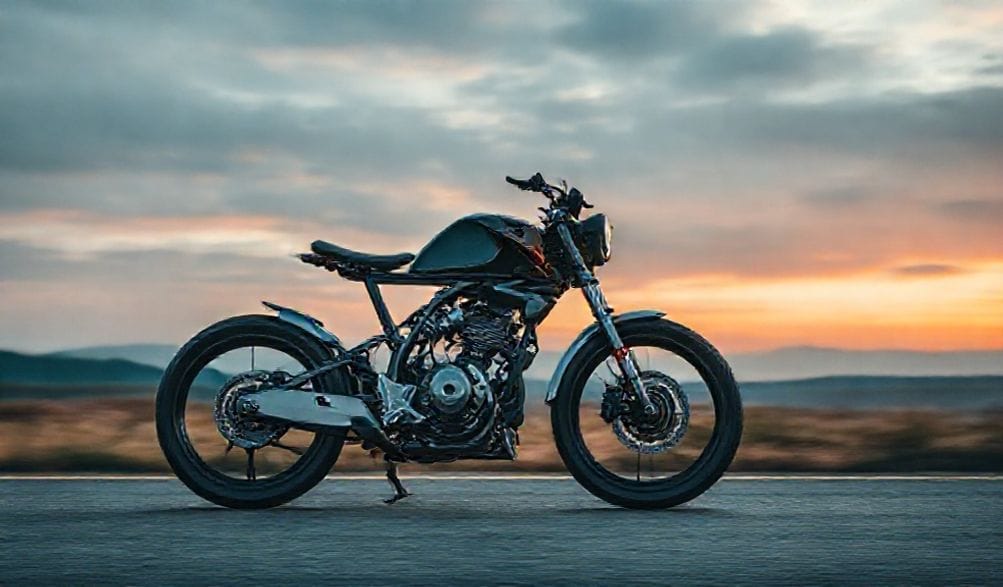
The 100mph E-Bike: Ultimate Speed Machine or Legal Liability? A Complete Guide
The fantasy is undeniably alluring: the nimble, open-air feel of a bicycle fused with the neck-snapping acceleration and triple-digit speed of a sport motorcycle. In recent years, viral videos of stealthy, bicycle-like machines silently screaming past traffic have rocketed the concept of the “100mph e-bike” into the public consciousness. These machines promise a thrilling, almost futuristic form of personal mobility that captures the imagination of speed enthusiasts and tech tinkerers alike.
But what is the reality behind the headlines? This article serves as a factual, safety-focused, and legally-informed deep dive into the world of ultra-high-speed electric bicycles. Our purpose is not to sensationalize or endorse, but to provide a clear-eyed analysis that separates exhilarating engineering from sobering responsibility. We’ll address the spectrum of reader intent—from the performance-curious enthusiast to the commuter wondering about legality, to the safety-conscious individual seeking the unvarnished truth.
Here is the core thesis: While mechanically possible to build an electric bicycle capable of 100mph, these vehicles exist in a profound gray area of regulation, present monumental safety risks, and are fundamentally different from the e-bikes designed for use on public roads, bike paths, and trails. Understanding this distinction is crucial for anyone considering stepping into this high-stakes arena.
What Exactly is a “100mph E-Bike”? Defining the Machine
At first glance, a 100mph e-bike might look like a beefed-up mountain bike. But under the surface, it shares far more DNA with an электрический мотоцикл than with the e-bike you’d buy at a local shop. It’s essential to define what we’re talking about, as the term “e-bike” becomes a severe misnomer at this performance tier.
Blurring the Lines: E-Bike vs. Electric Motorcycle
The difference lies in the specifications, which blow past any legal or practical definition of a bicycle:
- Motor Power: A typical Class 1, 2, or 3 e-bike for road use features a motor rated between 250 watts and 750 watts (with 1,000W being an occasional high limit). A machine targeting 100mph often utilizes a motor of 5,000 watts (5kW) or more. Some DIY builds exceed 15,000 watts.
- Battery Voltage & Capacity: Standard e-bikes run on 36V or 48V battery systems. A 100mph-capable machine typically requires a IMG_PROMPT: Динамичный, фотореалистичный вид сбоку стильного современного транспортного средства в стиле электрического мотоцикла, припаркованного на городской улице. Райдер в полнолицевом мотошлеме и бронированной куртке смотрит на планшет, показывающий спидометр со скоростью 60 миль/ч. На заднем плане видно размытое городское движение. Изображение передает скорость, технологии и легальное использование на улице., 84V, or even higher voltage system with a massive capacity (often 30Ah+) to deliver the immense, sustained current needed for that speed.
- Weight & Construction: Where a commuter e-bike might weigh 50-70 lbs, these speed machines, with their oversized batteries and reinforced components, often tip the scales at 120 lbs or more. Their frames, while sometimes based on bicycle designs, are heavily reinforced or are custom-built from the ground up to handle the stresses.
These specifications don’t just exceed common sense—they exceed the law. In virtually every jurisdiction in the United States, Canada, and Europe, a “low-speed electric bicycle” is legally defined by a motor under 750W (1hp) and a maximum assisted speed of 20mph or 28mph. A 100mph vehicle falls so far outside this definition that it ceases to be a “bicycle” in the eyes of the law.
Core Technology Behind the Speed
Building a two-wheeled electric vehicle that can hit 100mph requires a specific and high-performance approach to its core systems:
- High-Output Motors: At this power level, high-torque direct-drive hub motors are common for their simplicity and ability to handle massive wattage. Some performance builds use powerful mid-drive motors, but the focus is on thermal management and sustained high-RPM output, not just hill-climbing torque.
- Massive Battery Packs: The battery isn’t just large; it’s engineered for extreme discharge. It uses high-quality lithium-ion cells (like 21700 or high-discharge 18650 cells) arranged in series for high voltage and in parallel for high current. The Battery Management System (BMS) must be robust enough to prevent catastrophic failure under this load.
- Performance Tuning & Controllers: The electronic speed controller (ESC) is the brain. Stock controllers on commercial e-bikes are limited. Reaching 100mph almost always involves installing an aftermarket, programmable high-voltage controller that can unlock the full potential of the motor and battery, often by removing speed limiters and increasing current flow.
The Legal Landscape: Where (If Anywhere) Can You Ride One?
This is the most critical section for any prospective owner. The thrill of speed is immediately tempered by the complex and unforgiving world of vehicle regulation.
Understanding E-Bike Classifications (Class 1, 2, 3)
Most regions use a three-class system to regulate e-bikes:
* Класс 1: Pedal-assist only, up to 20 mph.
* Класс 2: Throttle-assisted, up to 20 mph.
* Класс 3: Pedal-assist only, up to 28 mph.
These classes determine where you can ride (e.g., bike paths, roads) and whether you need a license, registration, or insurance. A 100mph e-bike is not a Class 1, 2, or 3 e-bike. It is an entirely different category of vehicle.
It’s Likely an Unregistered Motor Vehicle
In legal terms, a 100mph e-bike will almost certainly be classified as a moped, scooter, or motorcycle. This classification triggers a host of requirements that do not apply to bicycles:
- Registration & Titling: The vehicle must be registered with your state’s Department of Motor Vehicles (DMV) and have a license plate.
- Страхование: Liability insurance is mandatory for registered motor vehicles.
- Driver’s License: You must possess a valid driver’s license, and often a * Иметь is required.
- Vehicle Certification: To be registered, a motor vehicle must typically have certification from the Department of Transportation (DOT) for safety components (lights, brakes, etc.) and possibly the Environmental Protection Agency (EPA). Custom-built or modified bikes almost never have this certification.
State-by-State Nuances: While specific laws vary, the universal principle is that no state allows an unlicensed, unregistered, and uninsured vehicle capable of highway speeds (let alone 100mph) to be operated on public roads. Riding one on the street is an invitation for severe legal penalties: hefty fines, impoundment of the vehicle, and even misdemeanor charges.
Off-Road and Private Property Use
This is the sole domain where operating a 100mph e-bike возможно, be legal. The key requirements are:
* Частная собственность: You have the explicit permission of the landowner.
* Closed Courses: Sanctioned race tracks, motocross parks, or other off-road venues that permit such vehicles.
* Racing Events: Organized competitions for electric vehicles.
Even in these settings, waivers and strict safety gear rules are the norm. The machine’s legality is tied to the land’s designation, not the machine’s design.
Critical Safety Considerations: Beyond the Speedometer
The legal consequences are serious, but the safety risks are existential. Operating a bicycle-derived vehicle at motorcycle speeds creates a cascade of engineering compromises that can have fatal results.
Bicycle Components at Motorcycle Speeds
This is the most dangerous misconception. Parts designed for 28mph are catastrophically inadequate at 100mph.
- Braking Systems: Standard bicycle hydraulic disc brakes, even high-end ones, are not designed to repeatedly shed the immense kinetic energy of a 120+ lb vehicle and rider at 100mph. Fade and failure are high risks. Motorcycle-grade brakes with larger rotors and more sophisticated calipers are the bare minimum.
- Frame & Fork Integrity: Bicycle frames are engineered for the forces of pedaling and bumps at bicycle speeds. The stresses of high-speed wobble, hard braking, and impacts at 100mph can lead to metal fatigue and sudden, catastrophic failure of welds or aluminum/carbon fiber components.
- Покрышки: Bicycle tires are not speed-rated like motorcycle tires. They are not designed to handle the centripetal force, heat buildup, and wear patterns of sustained 100mph travel. A blowout at that speed is almost certainly unsurvivable.
Rider Safety Gear is Non-Negotiable
If you are traveling at motorcycle speeds, you need motorcycle protection. A standard bicycle helmet is useless in a 100mph crash.
* Шлем: A DOT/Snell-certified full-face motorcycle helmet is mandatory. It protects not just your skull but your jaw and face.
* Armor: A motorcycle jacket and pants with CE-rated armor at the shoulders, elbows, back, hips, and knees.
* Gloves & Boots: Abrasion-resistant motorcycle gloves and over-the-ankle boots are essential to protect extremities in a slide.
The Stark Reality of Risk
Consider the data: According to the NHTSA, in motorcycle crashes, the fatality rate per vehicle mile traveled is nearly 29 times higher than for passenger cars. On an e-bike at 100mph, you have all the exposure and vulnerability of a motorcyclist, often on a less stable platform with components not certified for the task. The margin for error is zero, and the consequences of a crash are severe injury or death.
Who Actually Makes These? Market Options and Caveats
The market for 100mph e-bikes is niche, bifurcated between DIY builders and a handful of specialty manufacturers.
The DIY / “Sur-Ron” Route
A significant portion of ultra-fast e-bikes are built, not bought. Enthusiasts often start with a platform like the Sur-Ron Light Bee X—a lightweight, powerful electric dirt bike—and modify it with aftermarket batteries, controllers, and motors to push its speed far beyond the stock 45+ mph limit.
- Emphasize Experience: This path is exclusively for highly skilled technicians. It requires a deep understanding of high-voltage DC systems, battery management, mechanics, and fabrication. One wiring error or battery mismatch can lead to fire or failure.
Boutique and Performance Brands
A few companies cater to this extreme performance segment, such as Stealth Bicycles (with models like the B-52 bomber), HPC (Hi-Power Cycles), and others. They sell complete, incredibly powerful machines that are engineering marvels.
- Transparency Note: It is vital to scrutinize their marketing. Reputable brands in this space often include explicit disclaimers like “For closed-course competition use only” или “Not for use on public roads.” Ignoring these disclaimers is done at the purchaser’s legal and physical peril.
The Importance of Reputable Dealers & Warranties
Be extremely wary of obscure online sellers or brands with no physical service network. If something goes wrong with a 5kW motor or 84V battery, you need expert support. Furthermore, any warranty will be instantly voided if the vehicle is used on public roads where it is not legally permitted or is modified for higher performance.
Responsible Alternatives for Extreme E-Bike Enthusiasts
If the allure of speed and electric power is strong, there are far safer and legal avenues to explore that still deliver excitement.
High-Performance (But Legal) Class 3 E-Bikes
Modern Class 3 e-bikes, especially performance-oriented models from brands like Specialized, Trek, or Bosch-powered systems, offer plenty of thrill. With 750W of assist propelling you to 28mph (and your own pedaling effort allowing you to go faster on descents), they provide a fast, exhilarating, and legal riding experience on roads and suitable trails.
The World of E-Motorcycles & E-Mopeds
If your true desire is motorcycle-level speed and performance, buy the right tool for the job. Electric motorcycles from companies like Zero Motorcycles или Energica are DOT-certified, insurable, registerable, and designed from the ground up to be safe at highway speeds. They offer the speed and thrill you seek within a legal and engineered safety framework. For slightly lower speeds, registered e-mopeds are also a fantastic urban option.
Getting Your Speed Fix Safely: Track Days & Racing Clubs
The safest way to explore the limits of high-speed electric vehicles is in a controlled environment. Seek out:
* Electric Motorcycle Track Days: Many race tracks host days where you can ride your street-legal electric motorcycle at speed.
* E-Bike/E-Moto Racing Series: Организации создают гоночные серии специально для электрических кроссовых мотоциклов и скоростных электровелосипедов, предоставляя официальную соревновательную площадку.
Раздел часто задаваемых вопросов (FAQ)
В: Является ли электровелосипед со скоростью 100 миль в час (160 км/ч) законным для улицы?
О: Почти наверняка нет на общественных дорогах в качестве велосипеда. Чтобы быть легальным для улицы, он должен быть сертифицирован, зарегистрирован и застрахован как транспортное средство (скорее всего, как мотоцикл), и вам потребуется действующая мотоциклетная лицензия.
В: Какой самый быстрый Это наиболее простой и распространенный электровелосипед я могу использовать на дороге?
О: В большинстве регионов электровелосипед Класса 3, который обеспечивает помощь при педалировании до 28 миль в час (45 км/ч), является самым быстрым легальным вариантом для использования на дорогах без регистрации. Всегда уточняйте конкретные законы вашего штата и местные нормативные акты.
В: Сколько стоит электровелосипед, способный развивать 100 миль в час?
О: Цены сильно различаются. Самодельная сборка на базе Sur-Ron с апгрейдами может начинаться от 6 000–8 000 долларов. Готовые модели от производителей высокопроизводительной техники могут легко стоить от 10 000 до более чем 20 000 долларов. Это не включает стоимость полного комплекта мотоциклетной защитной экипировки.
В: Могу ли я модифицировать свой текущий электровелосипед, чтобы он развивал 100 миль в час?
О: Это крайне не рекомендуется и чрезвычайно опасно. Рамы, тормоза, вилки и шины потребительских электровелосипедов не рассчитаны на такие скорости. Попытка такой модификации создает серьезный и непосредственный риск катастрофического отказа компонентов, аннулирует все гарантии и остается незаконной для использования на дорогах.
В: Где самое безопасное место для использования такого мощного электровелосипеда?
О: Единственными безопасными местами являются частная территория с явного разрешения владельца или санкционированные соревнования на закрытой трассе с надлежащими протоколами безопасности и службами экстренной помощи.
Заключение
Электровелосипед на 100 миль в час — это увлекательное свидетельство возможностей электрической тяги и инженерной мысли энтузиастов. С механической точки зрения, это впечатляющая машина. Однако он существует в глубокой серой зоне — это юридическая головоломка и парадокс безопасности. По сути, это электрический мотоцикл, но ему часто не хватает сертификаций, конструктивной целостности и правового статуса такового.
Как ответственный источник информации, наша позиция должна отдавать приоритет безопасности и соблюдению закона. Цель этого глубокого анализа — информированное принятие решений, а не сенсационность. Суровая реальность такова, что для 99.9% райдеров погоня за такой экстремальной скоростью на платформе велосипеда создает неприемлемый уровень риска и правовой опасности.
Итоговая рекомендация: Для тех, кто ищет удовольствие и пользу от электровелосипеда, яркий рынок легальных, безопасных и невероятно увлекательных моделей Класса 1, 2 и 3 является очевидным и стоящим выбором. Для тех, чья страсть действительно лежит в области экстремальных, высокоскоростных электрических характеристик, ответственный путь ведет напрямую к сертифицированным DOT электрическим мотоциклам и захватывающей, контролируемой среде гоночной трассы.
Призыв к действию: Прежде чем приобретать любое высокопроизводительное электрическое транспортное средство, выполните следующие шаги: 1) Тщательно изучите местные транспортные кодексы и правила дорожного движения. 2) Инвестируйте в качественную, сертифицированную защитную экипировку — это ваш самый важный компонент. 3) Всегда ставьте во главу угла вашу долгосрочную безопасность и безопасность окружающих, разделяющих с вами пространство, будь то дорога, тропа или трасса.
METADATA_START—
DISPLAY_TITLE: Электровелосипед на 100 миль в час: Машина предельной скорости или Юридическая ответственность?
SEO_TITLE: Гид по электровелосипедам на 100 миль в час: Правовые риски, безопасность и правда | Обзор 2024
META_DESC: Законны ли электровелосипеды на 100 миль в час для улицы? Мы раскрываем правду о рисках безопасности, законах и реальных характеристиках сверхбыстрых электровелосипедов. Полное руководство.
IMG_PROMPT: Гиперреалистичное фото мощного электровелосипеда футуристичного вида с большой батареей и мотором, припаркованного на краю гоночной трассы, с мотоциклетным шлемом-интегралом, лежащим на сиденье. Сцена передает как потенциал высокой скорости, так и серьезные соображения безопасности.
—METADATA_END—