
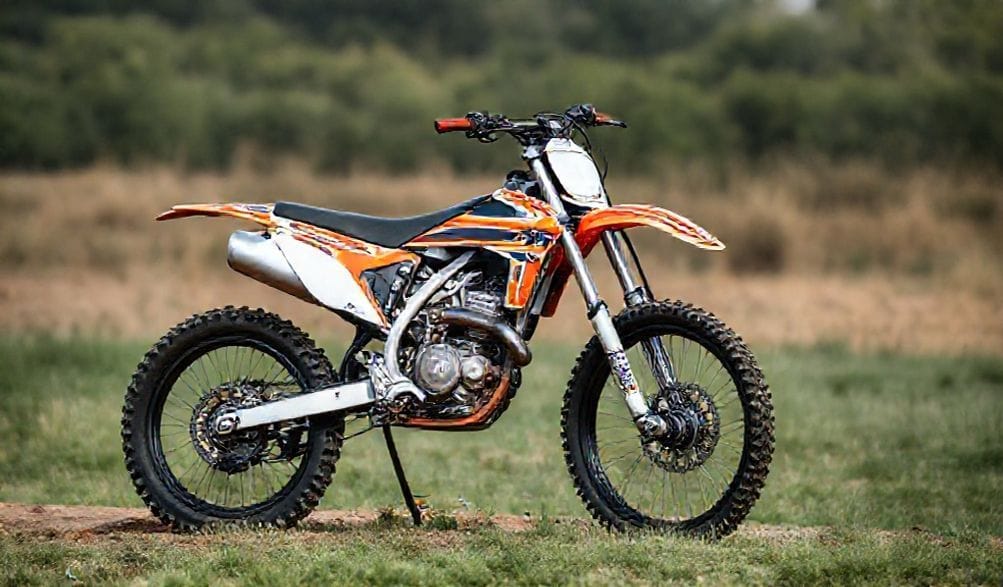
E-Bike Dirt Bikes: Your Complete Guide to Electric Off-Road Riding
The roar of a two-stroke engine has been the soundtrack of off-road adventure for generations. But a new, quieter revolution is carving its own path through the woods. The electrification wave that’s transforming our roads is now hitting the dirt, bringing with it a new breed of machine: the e-bike dirt bike. This isn’t just a niche curiosity; it’s a rapidly growing segment of motorsports and outdoor recreation, blending the agility of a mountain bike with the thrill of a dirt bike, all without the gas can.
If you’re a seasoned rider, you might be skeptical. Are these electric machines powerful enough for real trail riding? Can they handle a full day at the track? Or are they just expensive toys for beginners? If you’re new to off-roading, you might be wondering if an electric model is the simpler, more accessible way to start.
This guide is designed to answer all those questions and more. We’ll cut through the marketing hype to provide a comprehensive, unbiased look at e-bike dirt bikes. We’ll explore how they work, weigh their significant advantages against their current limitations, survey the key players in the market, and give you a practical framework for choosing the right one. Drawing on technical specifications, rider experiences, and a clear-eyed view of the evolving landscape, our goal is to be your most trustworthy resource as you consider joining the electric off-road revolution.
What is an E-Bike Dirt Bike? Defining the Electric Off-Roader
At its core, an e-bike dirt bike is a purpose-built off-road vehicle that uses an electric motor for propulsion instead of an internal combustion engine. They occupy a fascinating space between traditional pedal-assist mountain e-bikes and full-size motocross bikes. Designed for trails, tracks, and backcountry exploration, they prioritize torque, suspension, and durability over road-going comfort.
Core Components and How They Work
Understanding a few key components demystifies how these machines operate:
- Electric Motor: This is the heart of the bike. In the off-road world, the mid-drive motor is king. Mounted at the bike’s crank (where pedals would be), it leverages the bicycle’s chain or belt drive and gearing to multiply torque, making it incredibly efficient for climbing steep, technical terrain. Hub motors (in the wheel) are less common for serious off-road use due to unsprung weight and less optimal torque delivery.
- battery pack: The fuel tank. Capacity is measured in Watt-hours (Wh), a combination of voltage (V) and amp-hours (Ah). A higher Wh number generally means more range. This is the single most expensive component and its placement (often low in the frame) critically affects the bike’s center of gravity.
- Controller: The brain. This electronic unit manages power flow from the battery to the motor. It interprets your throttle input, regulates current, and often houses ride modes (Eco, Trail, Sport) that adjust power output and top speed.
- Frame and Suspension: Here, they share much DNA with traditional dirt bikes and high-end mountain bikes. You’ll find robust aluminum or steel frames with long-travel suspension forks and rear shocks (often 6-8 inches or more) to absorb bumps, jumps, and rocks. The geometry is tailored for aggressive riding.
E-Bike Dirt Bike vs. Traditional Gas Dirt Bike: A Clear Comparison
| Feature | E-Bike Dirt Bike | Traditional Gas Dirt Bike |
| :— | :— | :— |
| Power Delivery | Instant, silent torque from zero RPM. Linear and controllable. | Power builds with RPM, requires clutch modulation. Peakier power band. |
| Noise Level | Very quiet (motor whir, tire noise). Great for neighborhood use and low-trail-impact. | Loud. Engine and exhaust noise is a signature trait but can cause access issues. |
| Maintenance | Very low. No engine oil, filters, spark plugs, carb/FI issues, or coolant. Focus on brakes, suspension, and drivetrain. | Regular & involved. Requires oil changes, air filter cleaning, valve adjustments, and more. |
| Operating Cost | Very low. Costs pennies per charge. Regenerative braking can extend pad life. | Higher. Ongoing cost of gasoline, premium oil, and frequent maintenance parts. |
| Trail Access | Potentially greater. Often allowed on non-motorized mountain bike trails (if pedal-assist/Class 1). Quiet operation reduces conflicts. | Restricted. Generally prohibited on non-motorized trails. Limited to designated OHV areas and private land. |
| Initial Purchase Price | Higher. Advanced battery tech commands a premium. Less market competition. | Lower (entry-level). Vast used market. More affordable options for beginners. |
Legal Classifications and Where You Can Ride
This is a crucial and often confusing area. Classification depends on motor wattage, top speed, and whether it has pedals.
- With Pedals (Class 1, 2, 3): Many e-bike dirt bikes have pedals to qualify as electric bicycles in many jurisdictions. Class 1 (pedal-assist only, up to 20 mph) has the widest trail access, often allowed on mountain bike trails. Класс 3 (pedal-assist up to 28 mph) has more restrictions.
- Without Pedals / High Power: Models without pedals or with very high power (e.g., 10kW+) are typically classified as motorcycles or mopeds. This requires registration, insurance, a driver’s license, and restricts riding to designated off-highway vehicle (OHV) areas and private property.
Always check your local and state regulations before riding. Land manager rules (for parks and forests) can be even more specific and restrictive.
Key Benefits of Choosing an Electric Dirt Bike
The advantages of going electric off-road are compelling and go beyond simple environmental friendliness.
Instant Torque and Unique Riding Experience
This is the game-changer. The immediate, full torque available from a dead stop transforms technical riding. Climbing steep, rocky hills becomes more controlled—you can precisely modulate power without stalling. The linear power delivery makes it easier to maintain traction in slippery conditions. The experience is uniquely smooth, silent, and focused, allowing you to hear the trail and your own thoughts.
Significantly Reduced Maintenance
For many riders, this is the biggest practical benefit. Forget about:
* Mixing gas or finding premium fuel.
* Changing engine oil and filters.
* Cleaning air filters after every dusty ride.
* Adjusting carburetors or troubleshooting fuel injection.
* Replacing spark plugs.
Your maintenance checklist shrinks to checking tire pressure, brake pads, suspension, and keeping the drivetrain clean and lubricated.
Quiet Operation and Environmental Considerations
The near-silent operation is a profound benefit. You can practice in your backyard or local woods without disturbing neighbors. It reduces conflicts with other trail users like hikers and horseback riders, helping keep trails open. While there are environmental costs in battery manufacturing, the direct emissions during use are zero, and the energy can come from renewable sources.
Lower Long-Term Operating Costs
“Filling up” means plugging into a standard wall outlet. The electricity cost for a full charge is typically well under a dollar. With far fewer moving parts in the drivetrain, wear items like brake pads (aided by regenerative braking on some models) and chains/belts last longer.
Accessibility and Ease of Use
The learning curve is less steep. Without a clutch or gear-shifting to manage, new riders can focus on balance, braking, and line choice. Many models offer multiple power modes, allowing a beginner to start in a tame, speed-limited setting. The often-lower seat height and lighter weight (compared to comparable gas bikes) also boost confidence.
Important Considerations and Potential Drawbacks
E-bike dirt bikes are incredible, but they aren’t a perfect solution for every rider or situation. Honest assessment is key.
Understanding Range Anxiety and Battery Life
This is the primary constraint.
* Factors Affecting Range: Aggressive riding, hilly terrain, heavy rider weight, cold temperatures, and high assist levels can slash manufacturer range estimates. A bike rated for 40 miles might only get 20 on a tough motocross track.
* Real-World Estimates: For aggressive trail riding, plan for 1-2 hours of ride time on a single charge for most models. Some high-capacity bikes may push 3+ hours.
* Battery Lifespan & Cost: Lithium-ion batteries degrade over time and charge cycles (typically 500-1000 full cycles before significant loss). A battery may last 3-5 years with proper care. Replacement is expensive, often costing $500-$1500+, so factor this into long-term ownership.
Upfront Cost and Model Availability
The technology premium is real. A capable e-bike dirt bike often starts around $3,500-$5,000, with high-performance models reaching $10,000+. While the market is expanding rapidly with brands like Sur-Ron, Cake, and Stark Varg, it still lacks the decades of competition and vast used market that makes gas bikes more accessible at various price points.
Charging Time and Ride Planning
You can’t “fill up” in 2 minutes. Charging from empty on a standard 110V outlet can take 4–8 часов,. This requires planning: charge overnight after every ride. For all-day adventures, you either need a model with swappable batteries or must plan your route around a charging point. It’s a different rhythm than gas-powered riding.
Weight Distribution and Handling Nuances
While some are very light, the battery adds weight. This weight is often concentrated low in the frame, creating a planted, stable feel that’s great for straight-line stability but can make the bike feel less flickable and harder to lift the front wheel without throttle input compared to a gas bike. Riders need to adapt their technique.
How to Choose the Right E-Bike Dirt Bike For You
With a growing list of options, making the right choice comes down to aligning the bike with your primary goals.
Assess Your Primary Use Case
- Backyard/Neighborhood Fun & Learning: Prioritize lightweight, lower-power (3kW-5kW) models, often with pedals for legality. Look for robust construction and good beginner modes.
- Single-Track Mountain Biking: You need solid suspension travel (160mm+), solid torque (5kW+), and a pedal-assist Class 1 designation for maximum trail access. Weight is a critical factor.
- Motocross Track & Hard Enduro: This demands peak performance. Prioritize maximum power (10kW+), advanced suspension, aggressive geometry, and a robust frame. Range is less critical than sheer power delivery and durability.
- Trail Exploration & Fire Roads: Focus on range and comfort. Look for the largest battery capacity (Wh) you can find, comfortable ergonomics, and tires suited for mixed terrain.
Critical Specs to Compare
- Двигатель: Look at continuous wattage (sustained power) and torque in Newton-meters (Nm). Higher Nm means better hill-climbing and acceleration.
- Аккумулятор: Watt-hours (Wh) is the best comparison. 500Wh is entry-level, 800-1000Wh is good for trail, 1500Wh+ is for long-range exploration.
- Подвеска: More travel (in mm) generally means better capability over big hits. Quality of components (e.g., Fox, DNM) matters greatly.
- Вес: Crucial. Lighter bikes (< 120 lbs) are more playful and easier to load. Heavier bikes may feel more stable but are harder to maneuver and rescue.
- Wheels/Tires: Standard dirt bike sizes (19″ rear, 21″ front) offer the most tire options. Some use mountain bike sizes (27.5″) for a different feel.
Top Brands and Models Overview (2024)
- Sur-Ron Light Bee X: The “gateway drug.” Affordable, hugely customizable, and capable. Blurs the line between powerful e-bike and lightweight e-moto.
- Cake Kalk&: Swedish design-focused, premium, and minimalist. Offers various models for different uses, known for high-quality components and a unique riding experience.
- Stark Varg: The performance disruptor. A true electric motocross bike with astounding power (80 hp equivalent), adjustable power curves via app, and pro-level suspension. Aimed directly at replacing gas MX bikes.
- KTM Freeride E-XC: From a legacy gas bike brand. Offers a refined, “complete package” feel with strong dealer support. A serious off-road tool.
- Segway Dirt eBike Xyber: A newer entrant focusing on value and features like a two-speed transmission, aiming to bring performance to a broader audience.
- Talaria Sting R/MX4: A direct Sur-Ron competitor, often offering similar specs at a competitive price, popular for upgrades and modifications.
Test Ride and Research Checklist
- Try Before You Buy: If possible, find a dealer or demo day. Feel the power delivery, ergonomics, and weight.
- Dig into Forums: Owner communities (on Reddit, Facebook, dedicated forums) are goldmines for real-world reliability issues, upgrade paths, and battery longevity reports.
- Check Service Support: Where is your nearest authorized service center? How are warranty claims handled? For direct-to-consumer brands, understand the DIY repair expectations.
Safety, Gear, and Getting Started
The quietness of an e-bike dirt bike does not reduce the risk. Safety is paramount.
Essential Protective Gear is Non-Negotiable
You need the same kit as a gas bike rider:
* Full-face DOT/SNELL certified helmet
* Motocross goggles
* Motorcycle-specific boots (with ankle support)
* Gloves
* Knee/Shin guards
* Chest protector/roost guard
* Elbow guards
Never ride without this basic kit.
Mastering the Electric Power Band
That instant torque can surprise you. Start in the lowest power mode. Practice slow-speed control and throttle modulation. Be extra cautious on wet roots or rocks, as the smooth power can break traction unexpectedly. Learn to use the rear brake to modulate power and control wheelies.
Basic Maintenance and Pre-Ride Checks
Before every ride:
1. Давление в шинах: Check and adjust for terrain.
2. Тормоза: Ensure firm lever feel and no dragging.
3. Bolt Check: Critical fasteners (axles, handlebar clamps, motor mounts).
4. Аккумулятор: Is it fully charged and securely locked?
5. Drivetrain: Check chain/belt tension and lubrication.
6. Подвеска: Look for leaks and ensure smooth movement.
Часто задаваемые вопросы (ЧЗВ)
Q: How fast can an e-bike dirt bike go?
О: Speeds vary dramatically. Playful trail models may be restricted to 20-30 mph. High-performance models like the Stark Varg can exceed 60 mph. Many allow top speed adjustment via software or a dongle.
В: Как долго служит аккумулятор до необходимости замены?
О: Battery lifespan is typically 500-1000+ full charge cycles. With proper care (avoiding full discharges, storing at ~50% charge in cool temps), you can expect 3-5 years of regular use before capacity drops noticeably (e.g., 20-30% less range). Replacement is a significant cost.
Q: Can I ride an e-bike dirt bike in the rain or through water?
О: It depends on the bike’s рейтинг IP. Some are rated IP65 (dust-tight and protected against water jets), allowing for deep puddles. Others have minimal protection. Never submerge the bike unless the manufacturer explicitly states it’s safe. Always check the manual.
Q: Are e-bike dirt bikes good for beginners?
О: They can be excellent. The lack of clutch and gears simplifies operation, and low-power modes are very forgiving. However, the instant torque demands throttle control, and some models are very powerful. A beginner should start on a lower-power model and always take a safety course.
Q: Where can I get an e-bike dirt bike serviced?
О: Service networks are evolving. Major brands (KTM, Cake) have dealer networks. Direct-to-consumer brands (Sur-Ron, Talaria) often rely on certified independent shops or DIY. Research service options in your area before buying. Many electrical issues require specialized knowledge.
Заключение
E-bike dirt bikes represent a thrilling and pragmatic evolution in off-road riding. They offer a unique blend of instant, controllable torque, near-silent operation, and drastically simplified maintenance that is winning over converts from both the mountain biking and motorcycling worlds. The visceral connection to the trail—unmediated by engine noise and vibration—is a uniquely rewarding experience.
It’s important to acknowledge they aren’t a perfect, drop-in replacement for every gas bike scenario. The constraints of range and charging time mean they are less ideal for marathon backcountry adventures, and the upfront cost remains a barrier. However, for the vast majority of riders—from those learning in a local field to enthusiasts shredding single-track or even hitting the motocross track—they are a compelling, capable, and deeply fun alternative.
Use this guide as your foundation. The technology and market are moving fast. Visit a dealer for a test ride if you can, immerse yourself in online owner communities to learn from real-world experience, and always, always gear up properly. The future of off-roading is here, and it’s electric. Your next adventure awaits, and it might just be quieter than you ever imagined.
METADATA_START—
DISPLAY_TITLE: E-Bike Dirt Bikes: The Ultimate Guide to Electric Off-Road Riding
SEO_TITLE: E-Bike Dirt Bike Guide 2024: Benefits, Models, & How to Choose
META_DESC: Thinking about an e-bike dirt bike? Our complete guide covers pros & cons, top models, key specs, and how to choose the best electric dirt bike for trails, tracks, or fun.
IMG_PROMPT: A dynamic, high-action shot of a rider on a modern, aggressive-looking e-bike dirt bike catching air off a dirt jump in a forest setting, with the bike’s clean, electric design visible. The scene is bright and energetic, showcasing off-road adventure.
—METADATA_END—