
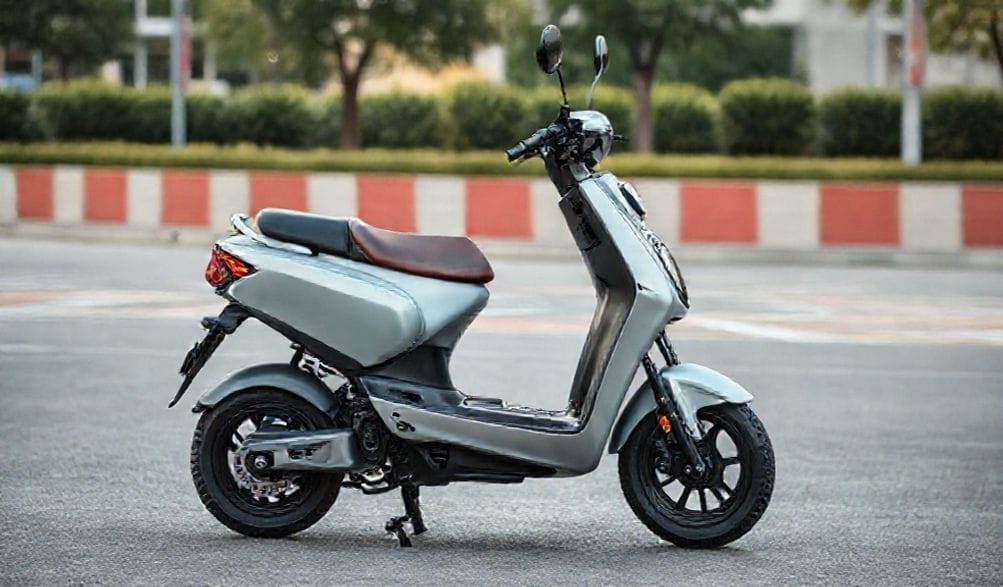
Electric Scooter Motor Bike: Your Complete Guide to Performance, Safety, and Smart Buying
Picture this: you’re stuck in yet another traffic jam, watching the fuel gauge tick down, and calculating the ever-increasing cost of your monthly parking pass. Or perhaps you’re looking for a more exhilarating, efficient way to zip across campus or to your local coffee shop. In these moments, the appeal of a nimble, electric two-wheeler becomes undeniable. But stepping beyond the realm of simple kick-scooters, you enter a category that blends convenience with genuine road-going capability: the electric scooter motor bike.
This guide is designed to cut through the confusion. Whether you’re a curious commuter or an eco-conscious enthusiast, we’ll provide the expert, experience-driven, and trustworthy information you need. We’ll demystify the specs, navigate the crucial legal landscape, and help you evaluate long-term value. By the end, you’ll have a comprehensive checklist to find the perfect electric scooter motor bike that matches your need for performance, safety, and smart utility.
Understanding Electric Scooter Motor Bikes: More Than Just a Scooter
This category sits in a fascinating sweet spot, offering a distinct blend of features that sets it apart from its relatives on the road.
Defining the Category: Where Scooters and Motorcycles Meet
An electric scoter motor bike is essentially an electric-powered two-wheeler with a step-through frame (like a traditional scooter), a platform for your feet, and a design focused on urban practicality. It’s crucial to differentiate it from:
* Standard E-Scooters (Kick Scooters): These are the stand-up, lightweight, often foldable devices with small wheels. They are typically for shorter, slower trips on bike paths or sidewalks.
* electric motorcycles: These have a motorcycle-style frame (straddle seating), are generally more powerful, and are built for higher speeds and longer distances.
Think of the electric scooter motor bike as the ideal middle ground: more stable, comfortable, and road-worthy than a kick scooter, but more accessible, manageable, and often more affordable than a full-sized electric motorcycle. You might also see them called e-scooters, e-mopeds, or electric motorbikes—terms often used interchangeably in this space.
Core Components and How They Work Together
The performance and feel of your ride are dictated by three key systems.
-
The Motor (Hub vs. Mid-Drive): This is the heart of the bike.
- Hub Motor: Located in the center of the wheel (usually the rear). It’s simple, often quieter, and requires less maintenance. However, it can affect unsprung weight and may not handle steep hills as efficiently.
- Mid-Drive Motor: Mounted centrally on the frame, connected to the wheel via a chain or belt. This leverages the bike’s gears, providing better torque, efficiency on hills, and more balanced weight distribution. It’s common on higher-performance models.
- Power is measured in watts (W) or kilowatts (kW). More watts generally mean stronger acceleration and better hill-climbing ability. A 1000W (1kW) motor is a common starting point for capable city riding.
-
The Battery (Capacity & Chemistry): This is the fuel tank.
- Capacity is measured in watt-hours (Wh) or amp-hours (Ah). A higher number means more potential range. For example, a 52V 20Ah battery has a capacity of 1040Wh.
- Chemistry & Quality: Lithium-ion (Li-ion) is the standard. Within that, cells from reputable manufacturers like LG, Samsung, or Panasonic are a sign of quality, impacting longevity, safety, and performance. Always check the battery’s warranty period.
-
The Controller & Frame:
- Ta controller is the brain, managing power delivery from the battery to the motor. A good one ensures smooth acceleration and regenerative braking.
- Ta okvir is the skeleton. Aluminum alloy frames offer a good strength-to-weight ratio. Build quality here is paramount for safety and handling. A well-designed frame also dictates riding posture and comfort.
Key Factors to Consider Before You Buy
Armed with the basics, you can now evaluate models based on how you’ll actually use the vehicle.
Performance Metrics That Matter
Don’t just look at the biggest numbers; understand what they mean for your daily life.
- Range: The most critical spec for many. Manufacturers often list a “maximum” range under ideal conditions. For real-world range, derate that number by 15-25%. Factors that slash range include: riding at top speed, hilly terrain, heavier rider/cargo, cold weather, and frequent stop-and-go traffic. If your commute is 15 miles round-trip, look for a bike with a realistic range of at least 20-25 miles.
- Speed: Top speed determines where you can legally and safely ride. In many areas:
- Class 2 (Up to 20 mph): May be allowed in bike lanes.
- Class 3 (Up to 28 mph): Often requires road use.
- >28 mph: Almost always classified as a motorcycle, requiring road use and specific licensing. Match the speed to your route—consistent 25-30 mph is perfect for most city streets.
- Power & Torque: Power (kW) influences top speed, while torque (Newton-meters, Nm) is the twisting force that gets you moving from a stop and powers up hills. High torque is essential for carrying a passenger or tackling steep inclines.
Safety and Legality: Your Responsibility on the Road
This is non-negotiable. Ignorance isn’t an excuse in the eyes of the law or physics.
- Licensing, Registration & Insurance: This is the most variable factor.
- General Rule: If the electric scooter motor bike can exceed 20-28 mph (varies by jurisdiction), it will likely be classified as a moped or motorcycle. This usually requires a motorcycle license (or a moped endorsement), vehicle registration, license plates, and insurance.
- Crucial Advice: You MUST check your specific state, province, or country laws. Contact your local Department of Motor Vehicles (DMV) or transportation authority. This is the single most important research step you will take.
- Safety Gear: Your primary protection.
- Helmet: A DOT or ECE-certified full-face or modular helmet is the minimum. It protects your head and face.
- Gloves, Jacket, Pants, Boots: Abrasion-resistant gear (leather or textile with armor) can prevent catastrophic injury in a slide. Think of it as essential, not optional.
- Vehicle Safety Features:
- Zavore: Hydraulic disc brakes are superior to mechanical discs or drum brakes, offering more consistent stopping power, especially in wet conditions. ABS (Anti-lock Braking System) is a major safety upgrade that prevents wheel lock-up during hard braking.
- Lighting: Bright LED headlights, taillights, brake lights, and turn signals are vital for being seen.
- Pnevmatike: Pneumatic (air-filled) tires provide better grip and comfort than solid tires. Check the tread pattern for wet-weather capability.
Lifestyle and Practicality Check
Be honest about your needs.
- Commuting vs. Recreation: A daily commuter needs weather resistance, storage (under-seat or via accessories), and comfortable ergonomics. A recreational rider might prioritize power and sporty handling.
- Weight & Portability: These bikes can weigh 80 to 150+ lbs. Can you maneuver it into a garage or onto a charger? Is there a ramp or elevator if needed?
- Comfort & Ergonomics: Seat height should allow you to plant your feet flat on the ground. Suspension (front forks and possibly a rear shock) smooths out bumps. The riding position should feel natural, not cramped.
Evaluating Quality and Long-Term Value
The upfront price is just the beginning. Smart buying means looking at the total picture.
Brand Reputation and Warranty Deep Dive
- Established Brands vs. Direct-to-Consumer: Brands with a physical dealer network (like NIU, Super73, or CSC) often offer better post-purchase support, easier access to service, and proven reliability. Direct-to-consumer (DTC) online brands can offer great specs for the price but may have longer wait times for parts and service. Research customer service reviews meticulously.
- Scrutinizing the Warranty: Read the fine print. How long is the battery covered (2-3 years is good)? What about the motor and frame? Is the warranty prorated? Is it transferable if you sell the bike? A strong warranty reflects the manufacturer’s confidence in their product.
The True Cost of Ownership
- Beyond MSRP: Factor in sales tax, delivery/assembly fees, registration, and insurance (which can be very affordable for low-power vehicles).
- “Fuel” & Maintenance: Electricity costs are minimal—often just a few dollars per month. Maintenance is less than a gas bike (no oil changes, spark plugs), but you still have tires, brakes, and suspension to care for.
- The Elephant in the Room: Battery Replacement: Even with great care, batteries degrade. A replacement can cost $500 to $1,500+. A good warranty mitigates early failure, but plan for this as a potential cost in years 4-6.
- Value Comparison: Stack this against car payments, insurance, gas, and parking, or against the cumulative cost of ride-sharing and public transit. The savings can be substantial.
Where to Buy and Test Ride
- Local Dealerships:
- Prednosti: Expert advice, test rides, professional assembly, and established service department.
- Slabosti: May have less selection and higher prices.
- Online Retailers:
- Prednosti: Wider selection, competitive pricing, direct shipping.
- Slabosti: No test ride, may require self-assembly, service can be more complicated (often mail-in).
- Actionable Tip: Take a test ride if at all possible. How does the bike handle? Is it comfortable? Do the controls feel intuitive? This is the best way to know if a model is right for you.
Maintenance and Care for Longevity
Treat your electric scooter motor bike well, and it will reward you with years of reliable service.
Routine Maintenance Checklist
- Tire Pressure: Check weekly. Proper inflation ensures range, handling, and prevents pinch flats.
- Zavore: Check pad wear and brake fluid levels (if hydraulic) monthly. Listen for squealing or grinding.
- Bolts & Fasteners: Periodically check that critical bolts (axles, stem, brake calipers) are tight, as vibration can loosen them.
- Chain/Belt: If your bike has one, keep it clean, lubricated, and properly tensioned.
- Čiščenje: Keep it clean, especially after riding in rain or on salted roads. Avoid direct high-pressure water on bearings, the display, or charge port.
Maximizing Battery Health and Lifespan
- Charging Habits: Avoid regularly draining to 0% or charging to 100% for daily use. The 20%-80% range is ideal for longevity. Use the manufacturer’s charger.
- Shranjevanje: If storing for weeks, leave the battery at a 40-60% charge in a cool, dry place.
- Temperature: Avoid leaving the bike in direct, scorching sun or freezing cold for extended periods, especially while charging.
Finding a Reliable Service Technician
Not all motorcycle mechanics are familiar with high-voltage DC systems. Look for:
* Dealers authorized for your brand.
* Shops that advertise electric bike or scooter service.
* Ebike-specific repair shops, as the technology is very similar.
* Always ask about their experience with your specific type of vehicle before booking service.
Razdelek s pogostimi vprašanji
Q: Do I need a motorcycle license for an electric scooter motor bike?
O: Typically, yes, if it exceeds a certain speed/power threshold (often over 28 mph or 4 kW in many US states). However, laws vary drastically by city, state, and country. We provide general guidance but strongly emphasize that you must verify the exact requirements with your local DMV or equivalent authority. This is a critical legal and safety issue.
Q: How far can I really ride on a single charge?
O: Take the manufacturer’s claimed range and reduce it by 15-25% for realistic planning. Your actual range depends heavily on rider weight, hills, speed, wind, and temperature. For a 50-mile claim, plan for 35-40 miles to be safe.
Q: Are they safe in the rain?
O: Most have some water resistance (look for an IP rating; IPX4 means resistance to water splashes). They are generally safe to ride in light rain. However, avoid deep puddles to prevent water damage. The bigger concern is reduced tire traction and visibility—ride slower, brake earlier, and wear high-vis gear.
Q: How much does it cost to replace the battery?
O: Battery replacement is a significant long-term cost, typically ranging from $500 to over $1,500, depending on capacity and brand. This underscores the importance of a good warranty and buying from a company likely to stock replacement parts for years.
Q: Can I carry a passenger on an electric scooter motor bike?
O: This depends entirely on the specific model. Some are designed for a single rider only. Others have a longer seat and footpegs for a passenger. You must check the manufacturer’s specifications for the maximum load capacity. Additionally, local laws may prohibit passengers on certain vehicle classifications. Never carry a passenger unless the bike is explicitly designed and legally approved for it.
Zaključek
Izbira pravega electric scooter motor bike is about finding the perfect intersection of your practical needs, your budget, and the legal framework of your area. It’s a purchase that promises freedom, efficiency, and fun, but it demands a responsible approach.
Remember the core tenets from this guide: prioritize safety gear above all else, personally verify your local licensing and registration laws, and never underestimate the value of a test ride. Use this information as your checklist as you dive into model-specific reviews and visit dealers.
The road to a smarter, more exhilarating commute is waiting. Do your research, ride safely, and enjoy the journey.
METADATA_START—
DISPLAY_TITLE: Electric Scooter Motor Bike: The Complete Buyer’s Guide
SEO_TITLE: Electric Scooter Motor Bike Guide 2024: Buy, Ride & Maintain
META_DESC: Thinking of buying an electric scooter motor bike? Our complete guide covers performance specs, safety laws, maintenance tips, and how to choose the right model for your commute or fun.
IMG_PROMPT: A modern, stylish electric scooter motor bike parked on a sunny urban street, with a rider in a helmet and protective gear standing next to it. The scene is clean, bright, and conveys a sense of efficient, eco-friendly city transportation.
—METADATA_END—