
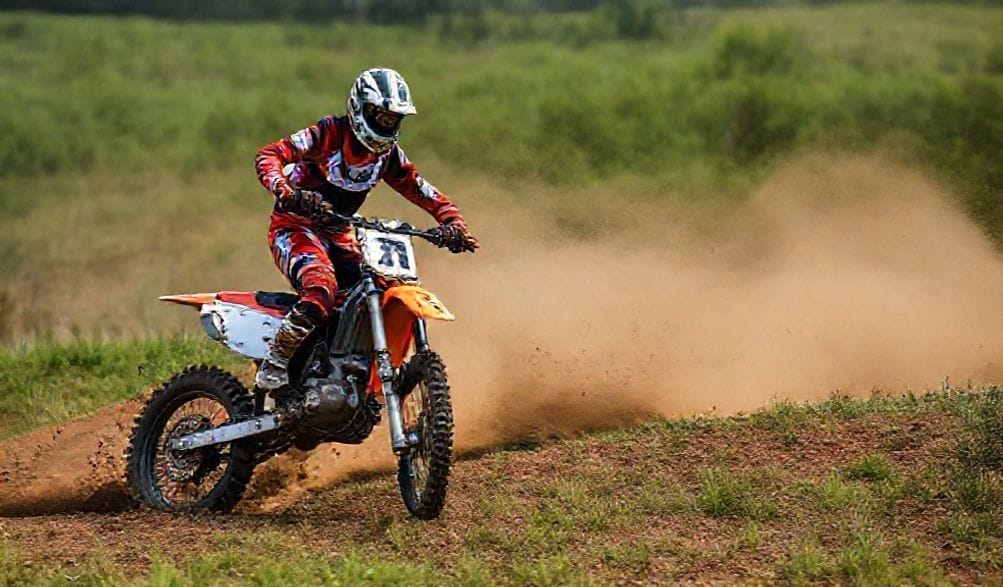
The Ultimate Guide to Dirt Bikes: Types, Buying Tips & Getting Started
For many, the roar of an engine and the smell of fresh dirt isn’t just a hobby—it’s a passion. It’s the feeling of freedom when the pavement ends, the challenge of conquering a tricky trail, and the pure joy of learning a new skill. But navigating the world of dirt bikes can be overwhelming for newcomers and even seasoned riders looking for an upgrade. With so many types, sizes, and technical terms, where do you even begin?
This comprehensive guide is written from the trenches of trail riding and track days. We’ve wrenched on bikes in dusty garages, learned from spills (while wearing the right gear, of course), and experienced the thrill of that first perfectly cleared jump. We’ll cut through the marketing jargon to give you clear, practical advice on choosing the right bike, understanding the different types, and starting your journey safely. Whether you’re a parent looking for a first bike for your child or an adult seeking an adrenaline-fueled escape, this guide is built on real-world experience to help you make informed, confident decisions. Let’s dig into the world of dirt bikes.
What is a Dirt Bike? Understanding the Basics
At its core, a dirt bike is a lightweight motorcycle specifically engineered for off-road use on unpaved terrain. This includes everything from winding forest trails and rocky hill climbs to groomed motokros tracks and open sand dunes. Unlike street motorcycles, which are built for stability and comfort on asphalt, dirt bikes feature specialized components designed for durability, immense suspension travel, and maximum traction in loose, challenging conditions. They are purpose-built tools for exploring places most vehicles can’t go.
Core Components of an Off-Road Motorcycle
What sets a dirt bike apart? It’s all in the design:
- High-Clearance Suspension: This is arguably the most defining feature. Long-travel forks and a rear shock are designed to absorb massive impacts from jumps, rocks, ruts, and whoops (a series of bumps). This keeps the wheels on the ground and the rider in control.
- Knobby Tires: The tread pattern is deep and aggressive, with spaced-out knobs designed to dig into and grip loose surfaces like dirt, mud, sand, and gravel. The rubber compound is also softer than street tires for better traction.
- Lightweight Frame: Frames are typically made of chromoly steel or aluminum to keep weight down, making the bike easier to maneuver, pick up after a fall, and control in the air.
- Lack of Street-Legal Features: Pure dirt bikes are not designed for public roads. You’ll often find they lack headlights, tail lights, turn signals, horns, mirrors, or license plate holders. Some models, known as “dual-sports,” bridge this gap (more on that below).
Main Types of Dirt Bikes: Choosing Your Ride
Your riding style and the terrain you plan to conquer are the biggest factors in choosing a bike. Picking a motocross bike for slow, technical trail riding will be as frustrating as taking a trail bike to a supercross track. Here’s a breakdown of the primary categories to match your intent.
Motocross Bikes (MX)
- Purpose: Built for one thing: speed on a closed-course racetrack. These bikes are designed for man-made tracks featuring jumps, banked turns (berms), and rhythm sections.
- Key Traits: They have powerful, aggressive engines with a focus on peak horsepower. Suspension is very stiff to handle the massive G-forces of landing from jumps. They are the lightest and most “flickable” bikes, but often lack a kickstand or lighting. They demand an active, aggressive riding style.
- Best For: Experienced riders focused on competition, track days, and maximizing performance in a controlled environment. Not recommended for beginners.
Trail & Enduro Bikes
- Purpose: The workhorses of the off-road world. Built for navigating natural terrain, from tight single-track forest trails and rocky paths to hill climbs and long-distance endurance (enduro) events.
- Key Traits: Softer, more plush suspension that soaks up trail trash like roots and rocks. Engines are tuned for smooth, controllable low-end and mid-range power (torque) rather than peak horsepower. They feature wider-ratio transmissions for both slow crawling and faster fire-road sections. You’ll usually find a kickstand, skid plate, and sometimes a headlight.
- Best For: The vast majority of recreational riders. This category is excellent for learning, weekend trail riding, and exploring varied terrain. They are forgiving and versatile.
Dual-Sport & Adventure Bikes
- Purpose: The “have your cake and eat it too” option. These are street-legal motorcycles certified to handle both pavement and light to moderate off-road trails. They let you ride legally on roads to connect trails or embark on long-distance adventure touring.
- Key Traits: They come equipped with DOT-approved lights, mirrors, horns, and tires. They are heavier than pure dirt bikes due to the extra equipment and larger fuel tanks. Suspension and power are compromises—more capable than a street bike off-road, but less capable than a dedicated trail bike.
- Best For: Riders who need to travel on public roads to reach trailheads, want one bike for commuting and weekend adventures, or are interested in adventure touring on mixed surfaces.
Mini and Pit Bikes
- Purpose: Smaller-scale bikes primarily for children, absolute beginners, or recreational “pit” riding at campsites or events.
- Key Traits: Significantly lower seat height and reduced engine displacement (typically ranging from 50cc to 125cc). They are lightweight, simple to operate, and have lower power output. Automatic clutches are common on the smallest models.
- Best For: Young riders learning fundamentals and adults looking for a fun, low-pressure way to learn bike control in a controlled environment. Safety gear is just as crucial here.
How to Choose the Right Dirt Bike: A Step-by-Step Guide
Selecting the wrong bike can be expensive, discouraging, and, most importantly, unsafe. A bike that’s too tall or too powerful can quickly turn excitement into fear. Follow this framework to make a smart choice.
Assess Your Skill Level Honestly
This is the most critical step. Be brutally honest with yourself.
* Beginner (First-Time Rider): Prioritize manageability and forgiveness. Look for a bike with a mild power delivery (e.g., a 125cc or 230cc 4-stroke trail bike is ideal). A lower seat height is crucial for building confidence. Focus on a reputation for reliability and ease of maintenance over peak performance. Used trail bikes from reputable brands like Honda, Yamaha, or Kawasaki are often perfect starters.
* Intermediate: You understand clutch control, can handle basic trails, and are ready for more performance. You might step up to a full-size 250cc 4-stroke trail/enduro bike or explore the unique power of a 125cc 2-stroke.
* Expert: You can choose a bike tailored to your specific discipline—high-strung 450cc motocross bikes, specialized 300cc 2-stroke enduro machines, etc. You know what you need from the bike’s suspension and power characteristics.
Get the Right Size: Seat Height & Engine Displacement
Size involves two key factors: physical fit and engine power.
* The Standover Test: This is non-negotiable for safety and control. When standing over the bike, you should be able to have both feet flat on the ground, or at the very least, the balls of both feet touching comfortably. If you’re on your tiptoes, the bike is too tall. A proper standover height allows you to stabilize the bike easily when stopping on uneven ground.
* Engine Size (cc) Guide: Engine displacement (measured in cubic centimeters, or cc) is a rough indicator of power, but it’s not the whole story. A 450cc motocross bike is an absolute beast with explosive power, while a 450cc dual-sport is much tamer and heavier. For beginners, ignore the high-performance MX bikes. Focus on the “trail” category. A good rule of thumb: smaller adults and teens start with 125cc-250cc 4-strokes; larger adults can consider 250cc-350cc trail bikes. For kids, follow manufacturer age/size recommendations closely.
New vs. Used: Pros and Cons
- New Bike Advantages: Peace of mind with a full manufacturer’s warranty. You get the latest technology, fuel injection, and emissions standards. There’s no hidden wear, tear, or abuse from a previous owner. Maintenance history starts with you.
- Used Bike Advantages: Significantly lower upfront cost and less depreciation. It’s the smartest financial move for a first bike. The market is full of great, lightly-used beginner bikes.
Crucial Tip for Buying Used: Always insist on a pre-purchase inspection by a knowledgeable mechanic. They can spot hidden frame damage, worn suspension, or engine issues that could cost you thousands. Ask for maintenance records. If the seller refuses an inspection, walk away.
Essential Gear for Safe Riding: Protect Yourself First
Riding gear is non-negotiable. It is not an area to cheap out or make compromises. Your gear is the difference between walking away from a minor fall and a trip to the emergency room with a serious, life-altering injury. Consider it your most important investment after the bike itself.
The Big Five: Non-Negotiable Safety Equipment
- Helmet: The single most critical piece of safety equipment. It must fit snugly without pressure points. Look for certifications: In the US, DOT is the minimum legal standard, but SNELL ali ECE certifications represent higher, more rigorous testing standards for impact protection. Replace your helmet after any significant impact, even if it looks fine.
- Boots (MX-Specific): Regular work boots or hiking boots are insufficient. Motocross boots are rigid, high-top boots designed to prevent your ankles from twisting or breaking in a crash. They have reinforced soles, shin protection, and buckles for a secure fit. They are essential for control and protection.
- Goggles: Protect your eyes from dirt, dust, rocks, and branches. A good pair will have a wide field of view, anti-fog coating, and a comfortable, tear-off system for muddy conditions so you can maintain vision. Always carry a spare lens or set of goggles.
- Gloves: They improve grip on the handlebars, protect your hands from blisters, vibration, and minor impacts, and offer abrasion resistance in a fall.
- Body Armor/Jersey & Pants: This is your outer layer of protection. A durable MX jersey and pants are designed to breathe and resist tears. Beneath them, consider:
- Chest Protector/Roost Guard: Shields your torso, back, and sometimes shoulders from flying rocks (roost) and impacts.
- Knee/Shin Guards: Protects these vulnerable joints from impacts with rocks, the bike itself, or the ground.
- Elbow Guards: Similar protection for your arms.
Many riders opt for integrated “pressure suit” style armor that combines chest, back, shoulder, and elbow protection into one garment.
Getting Started: Your First Rides and Basic Maintenance
Knowledge of basic upkeep isn’t just about saving money—it ensures your bike is safe and reliable every time you ride. A well-maintained bike is a predictable bike.
Pre-Ride Checklist (T-CLOCS)
Develop the habit of a quick inspection before every ride using the MSF’s T-CLOCS system:
* Tires & Wheels: Check air pressure and look for cuts, embedded objects, or excessive wear. Ensure wheels spin freely and spokes are tight.
* Controls: Verify that levers (clutch, brake) and the throttle move smoothly without sticking. Check cables for fraying.
* Lights & Electrics (if equipped): Test headlight, taillight, and brake light. Ensure the kill switch works.
* Oil & Fluids: Check engine oil level. Look for leaks from forks, shocks, or coolant hoses. Check brake fluid levels.
* Chassis: Look for cracks in the frame or subframe. Ensure the chain has proper slack and is lubricated. Check suspension for smooth action.
* Stand: Ensure the kickstand (if equipped) springs up securely and doesn’t flop down.
Basic Maintenance Every Rider Should Know
Learning these three tasks will keep your bike running well and prevent major repairs:
1. Air Filter Cleaning: The single most important maintenance task for engine health. A dirty air filter lets abrasive dirt into the engine, causing rapid wear. Clean and re-oil your foam air filter after every few rides, or immediately after a very dusty ride. It’s simple, cheap, and vital.
2. Chain Adjustment and Lubrication: A loose chain can derail and lock the rear wheel; a tight chain can damage the transmission. Learn how to check the proper slack (per your owner’s manual) and adjust it. Keep the chain clean and lubricated with specific chain lube to prevent rust and wear on the sprockets.
3. Changing Engine Oil and Filter: Fresh oil is the lifeblood of your engine. It lubricates, cools, and cleans internal parts. Changing the oil and filter at the intervals specified in your manual is the best way to ensure a long engine life. It’s a straightforward task you can learn in an afternoon.
Frequently Asked Questions (FAQ) About Dirt Bikes
Q: What’s the difference between a 2-stroke and a 4-stroke engine?
O: This is a fundamental distinction. 2-stroke engines are mechanically simpler, lighter, and have a distinctive “powerband”—a sudden, explosive burst of power when the engine reaches a certain RPM. They require you to mix special 2-stroke oil directly into the gasoline. 4-stroke engines are more complex and heavier but deliver smoother, more linear, and controllable power from low to high RPMs. They have a separate oil system (like a car). For beginners, a 4-stroke is almost always recommended for its easier, more predictable power delivery.
V: Ali lahko vozim motokros kolo po cesti?
O: Generally, no. Pure, competition-oriented dirt bikes are not street-legal. To ride on public roads, you need a Dual-Sport ali Adventure model that comes from the factory with required equipment like headlights, brake lights, turn signals, a horn, mirrors, and a speedometer. You must then register and title it with your state’s DMV. Always check your local and state laws, as they vary widely.
Q: How much does it cost to get into dirt biking?
O: Costs vary widely. A used, reliable beginner bike can range from $1,500 to $3,500. A new beginner bike starts around $4,000-$6,000. Quality new gear (helmet, boots, goggles, gloves, armor) is another $800 to $1,500 minimum. Don’t forget ongoing costs: insurance, maintenance parts (oil, filters, tires), fuel, and possible track or trail access fees.
V: Kje lahko legalno vozim motokros kolo?
O: Zakonska območja za vožnjo vključujejo: zasebno lastnino (z izrecnim dovoljenjem lastnika), določene parke za vozila izven ceste (OHV), motokros steze, ki dovoljujejo dneve vadbe, in odobrene sisteme poti na javnih zemljiščih (npr. številni nacionalni gozdovi in zemljišča BLM imajo posebne OHV poti). It is imperative to respect land access. Never ride on unauthorized public land, in city/county parks, on sidewalks, or on railroad tracks. “Riding anywhere” gives the sport a bad name and leads to trail closures.
V: Je vožnja motokrosa nevarna?
O: Kot vsak motošport, ki vključuje hitrost in stroje, prinaša inherentna tveganja. Vendar tveganje ni enako nepremišljenosti. Nevarnost lahko znatno zmanjšate z: 1) Nošenjem vse ustrezne varnostne opreme, 2) Pridobivanjem formalnega usposabljanja (zelo priporočljivo – poiščite šolo za motokros MSF ali lokalnega trenerja za vožnjo), 3) Izbire kolesa, ki ustreza vašim spretnostim, in 4) Vedno vožnje v okviru svojih zmožnosti. Cilj je nadzorovano napredovanje, ne nenadzorovana hitrost.
Zaključek
Svet motokrosa ponuja neprimerljiv občutek svobode, izziva in povezanosti z naravo. To je šport, ki nagrajuje vadbo, tehnično razumevanje in spoštovanje – do vašega stroja, vaših meja in poti, po katerih vozite. Pot od prvega omahujočega poskusa do samozavestnega premagovanja tehnično zahtevne poti je neverjetno bogatila.
Če začnete s pravim kolesom za vaše potrebe, vložite v kakovostno varnostno opremo že od prvega dne in se zavezate k vseživljenjskemu učenju (tako voznih veščin kot vzdrževanja), si zagotavljate nešteto pustolovščin in podporno, strastno skupnost. Ne pozabite, cilj je napredovanje, ne le hitrost. Začnite počasi, obvladajte osnove upravljanja z sklopko, položaja telesa in zaviranja, veščine – in vznemirjenje – pa bodo sledile. Zdaj si oblecite opremo, zaženite motor in pojdite uživat v blato.
METADATA_START—
DISPLAY_TITLE: Končni vodnik po motokros kolesih: Vrste, Nasveti za nakup & Začetek
SEO_TITLE: Vodnik po motokros kolesih 2024: Vrste, Kako izbrati, Varnostni nasveti & Pogosta vprašanja
META_DESC: Vaš popoln začetniški vodnik po motokros kolesih. Spoznajte različne vrste (MX, Terenska, Dvojni šport), kako izbrati pravo velikost, bistveno varnostno opremo in ključna pogosta vprašanja. Začnite svojo terensko potovanje varno in samozavestno.
IMG_PROMPT: Dinamičen, širokokoten akcijski posnetek kolesarja na modernem motokros kolesu, v sredini skoka na sončni motokros stezi, z blatom, ki se razprši iz zadnje pnevmatike. Kolesar nosi popolno varnostno opremo (čelada, zaščitna očala, dres, hlače, čevlji). Ozadje prikazuje modro nebo in zamegljeno okolje ob stezi.
—METADATA_END—