
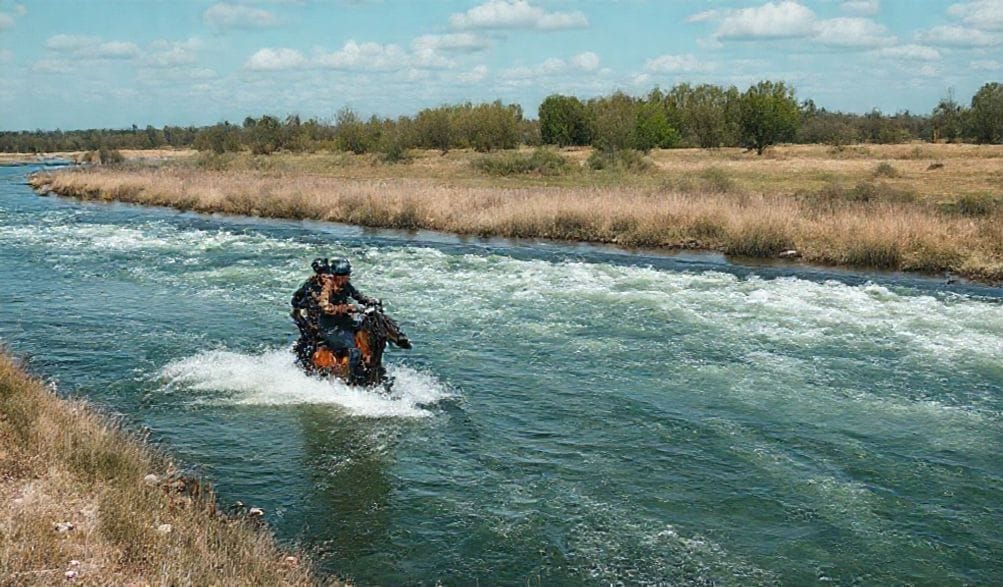
The Ultimate Guide for Surron Riders: Mastering Your E-Bike Adventure
The world falls away, leaving only the crunch of dirt under your tires and the faint, futuristic hum of an electric motor. You lean into a berm, the throttle responding with instant, silent torque, launching you up the trail with a grin that’s impossible to wipe off. This isn’t quite mountain biking, and it’s not quite motorcycling. This is the unique, electrifying realm of the Surron rider.
Whether you’re a curious newcomer, wide-eyed at the possibilities, or a seasoned veteran looking to dial in your setup, you’ve arrived at a community built on innovation, adrenaline, and a shared passion for this new kind of two-wheeled freedom. This guide is crafted from within that community, born of countless trail miles, garage tinkering sessions, and forum debates. Our goal is simple: to equip you with the technical knowledge, practical riding tips, and essential resources to ensure your Surron journey is not only exhilarating but also safe, informed, and deeply rewarding.
We’ll navigate everything from unboxing your first bike and gearing up properly, to mastering maintenance, exploring upgrades, and plugging into the global network of fellow enthusiasts. Let’s get started.
What is a Surron? Understanding the Electric Revolution
Before you hit the trail, it’s crucial to understand exactly what you’re riding. A Surron occupies a fascinating and disruptive niche in the world of powersports.
More Than an E-Bike, Less Than a Dirt Bike
The Surron is best classified as a Light Electric Vehicle (LEV) ali Super Electric Vehicle (SEV). It bridges a gap, offering a experience distinct from its counterparts.
- Vs. Traditional Mountain Bikes: A Surron is significantly heavier (around 110-120 lbs for a Light Bee) and far more powerful. The pedal-assist is replaced by a thumb throttle, delivering motorcycle-like acceleration that requires respect. It’s for covering ground and conquering climbs with power, not necessarily for the delicate, human-powered finesse of technical singletrack.
- Vs. Gas-Powered Dirt Bikes: Here, the differences are profound. A Surron is quiet—a blessing for trail access and neighborly relations. It has instant, linear torque with no clutch to feather or gears to shift. Maintenance is radically simpler: no gas, oil, air filters, or complex top-ends. However, it has a limited range dictated by battery capacity and lacks the long-distance, refuel-in-minutes capability of a gas bike.
Popular Surron Models: Light Bee and Storm Bee
Surron’s lineup primarily features two flagship models, each with its own personality.
- Ta Surron Light Bee (and Ultra Bee): The Trail Icon. This is the model that started the revolution. Lightweight, agile, and incredibly capable off-road, the Light Bee (and its more powerful Ultra Bee variant) is the go-to for woods riding, technical trails, and moto tracks. It’s minimalist, focused, and feels like a hyper-capable mountain bike on steroids. It’s typically sold as an off-road-only vehicle.
- The Surron Storm Bee: The Powerful Hybrid. The Storm Bee is Surron’s step into higher performance and on-road capability. With more power, a larger frame, and features like a key fob and dual battery options, it’s designed as a more substantial street-legal (or street-legal-able) machine. It can handle off-road duties but also comfortably cruise on paved roads, blurring the lines further between an electric dirt bike and an electric motorcycle.
Getting Started: Your First Steps as a Surron Rider
Excitement is high when your Surron arrives, but a methodical start is key to safety and longevity.
Pre-Ride Checklist: Safety and Readiness
Never skip your pre-flight check.
- Battery: Ensure it’s fully charged using the official charger. Inspect the battery casing and connectors for any damage. Always handle batteries with care—they are the heart of your bike.
- Mechanical Inspection: Check tire pressure (crucial for handling and preventing pinch flats). Give the brakes a squeeze and a visual check on pad material. Ensure the chain has proper tension and lubrication. Do a quick “bolt check” on critical areas like axles, handlebar clamps, and stem.
- Safety Gear: This is non-negotiable. Your ride does not begin until you are fully geared up. We’ll detail gear in the next section.
Mastering the Basics: Controls and Riding Modes
Take time in a safe, open area to get familiar with the controls.
- The Cockpit: You have a thumb-operated throttle (smoothness is key!), familiar hand brakes (left is usually rear, right is front), a mode selector (Eco/Turbo), and a digital display showing speed, battery level, and error codes.
- Riding Modes & Regen: Eko način limits power and top speed, perfect for beginners, technical terrain, or maximizing range. Turbo mode unlocks full performance. Regenerative braking helps recharge the battery slightly when you coast or brake, and can be adjusted for more or less engine-braking feel.
- Fundamental Techniques: Stand up on the pegs with bent knees and elbows for control. Look ahead, not down. Practice smooth, progressive throttle input—abrupt twists can lead to loss of control. Learn to use both brakes together, with emphasis on the front brake for primary stopping power while keeping weight balanced.
Essential Gear for the Surron Rider
Your gear is your only protection. Invest in quality from the start.
Safety First: Non-Negotiable Protective Equipment
- Helmet: This is your most important piece. Always choose a helmet certified for motorcycle use (DOT, ECE, or Snell). A full-face motocross or dual-sport helmet is the standard, offering maximum protection for your face and jaw.
- Body Protection: Start with the basics and build your kit: Sturdy, above-the-ankle boots (motocross or sturdy work boots), full-finger gloves, in durable pants and jacket. From there, add knee/shin guards, elbow guards, and a chest protector/roost deflector. A neck brace is a serious consideration for aggressive riding.
- Eye Protection: If your helmet doesn’t have a visor, goggles are essential to keep dirt, dust, and debris out of your eyes. Clear lenses are great for overcast days or night riding.
Tools and Accessories for the Trail
Being prepared means less walking home.
- Basic Toolkit: A small pack should include hex keys (metric), a T-handle wrench for axle nuts, tire levers, a chain breaker/master link tool, and a small adjustable wrench.
- Must-Haves: A portable high-pressure air pump in tubeless tire repair kit (or a spare tube if you run tubes) can save your day. A hydration backpack is perfect for carrying these tools, water, and your phone.
- Useful Upgrades: A secure phone mount for navigation. Improved grips for comfort and control. Upgraded lighting if you plan to ride at dusk or dawn.
Maintaining Your Surron for Peak Performance and Longevity
Simpler than a gas bike doesn’t mean maintenance-free. Proactive care prevents problems.
Routine Maintenance Schedule
- After Every Ride: Gently rinse off mud and debris (avoid direct high-pressure spray on bearings, seals, and electrical connectors). Do a visual check for loose bolts or any obvious damage.
- Weekly/Monthly (Depending on ride frequency): Clean and re-lubricate your chain. Check brake pad thickness and brake fluid levels. Re-torque critical bolts (axles, handlebar clamp, motor mounts).
- Periodic: Replace tires when tread is worn or sidewalls are damaged. Swap brake pads when they get thin. Check wheel, headset, and swingarm bearings for play and smoothness annually or as needed.
Battery Care Best Practices
Treat your battery well, and it will return the favor.
- Polnjenje: Use only the official charger. Avoid leaving the battery on the charger for days on end after it’s full. For daily use, charging to 80-90% can extend long-term lifespan, but do a full 100% charge periodically for balance. Let the battery cool down after a hard ride before charging.
- Shranjevanje: For short periods, store the bike/battery in a cool, dry place at around a 50-60% charge. For long-term winter storage, a 50-60% charge in a climate-controlled environment is ideal.
- Understanding Range: Your range isn’t a fixed number. It’s heavily affected by rider weight, terrain (hills kill range), riding mode (Turbo drains faster), throttle usage, wind, and tire pressure. Learn your bike’s behavior in your local conditions.
The Surron Community: Connecting with Fellow Riders
Half the fun of owning a Surron is the community that comes with it.
Finding Local Riding Groups and Trails
- Social Media: Facebook Groups are the #1 hub. Search for “Surron [Your City/State]” or “Electric Dirt Bike [Your Region].” Instagram is great for finding local riders and seeing trail spots (use hashtags like #surronlife, #lightbee).
- Finding Legal Places to Ride: This is critical. Research local laws. Many riders use designated OHV (Off-Highway Vehicle) parks, private motocross tracks, or seek permission for private land. Always respect trail closures, ride responsibly, and be an ambassador for the sport to ensure access remains open for everyone.
Online Forums and Knowledge Hubs
When you have a technical question, the collective wisdom of the community is invaluable.
* Forums & Reddit: Ta Surron Forum and the r/Surron subreddit are packed with modification guides, troubleshooting threads, and general discussion.
* YouTube: Channels dedicated to Surrons offer incredible visual tutorials on everything from basic maintenance to complex controller swaps and performance testing.
Popular Upgrades and Modifications for Surron Bikes
The modding scene is a huge part of Surron culture. Tread carefully and prioritize safety.
Performance Upgrades: Proceed with Knowledge
- Common Upgrades: Controllers (like the Nucular or BAC) unlock higher power and customizable settings. Higher-voltage batteries (72V) provide more speed and torque. Off-road tires transform grip. Upgraded brake pads/rotors improve stopping power.
- Important Considerations: Many performance mods void the manufacturer’s warranty. More power increases stress on every other component (chain, sprockets, brakes, frame). Always ensure your skill level and safety gear match your bike’s new capabilities.
Comfort and Utility Modifications
These upgrades enhance the riding experience without radically altering performance.
* Popular Choices: A more comfortable seat, wider foot pegs, different handlebars or risers, in suspension upgrades (fork springs/oil, rear shock) can make long rides much more enjoyable.
* Functional Add-ons: Rear racks for cargo, extended fenders for mud, and powerful LED light bars for night riding add practical utility.
Frequently Asked Questions for Surron Riders
FAQ 1: Is a Surron street legal? Where can I legally ride it?
Most Surrons are sold as off-road vehicles. Making them street legal is highly dependent on your state and local laws. It often requires adding DOT-approved lighting (headlight, brake light, turn signals), mirrors, a horn, and obtaining a title/registration/plate through your DMV, which can be a complex process. Always check your specific local and state regulations for both on-road registration and legal off-road areas (state parks, BLM land, etc.).
FAQ 2: What’s the real-world range I can expect on a Surron?
For a stock Surron Light Bee, a realistic range under normal trail riding conditions is 20-50 miles. The wide variance is due to rider weight, hills, riding mode (Eco vs. Turbo), and throttle usage. Paved road cruising at steady speed can yield more; aggressive off-road hill climbing will yield less. The Storm Bee, with its larger battery options, can exceed this.
FAQ 3: How difficult is maintenance compared to a gas bike?
It is generally much simpler. There’s no engine oil to change, no carburetor to clean, no air filter to service, and no spark plugs. Maintenance revolves around the chassis: brakes, chain, tires, and bolts. The complexity comes with the electrical system—diagnosing battery or controller issues requires specific knowledge and tools.
FAQ 4: Can a complete beginner handle a Surron?
Yes, but with critical caveats. The power is accessible and can be intimidating. A complete beginner must:
1. Start in a safe, open, off-road area.
2. Begin in Eko način.
3. Wear all safety gear.
4. Focus first on smooth throttle control and braking before tackling any obstacles or speed.
5. Consider taking an introductory off-road riding course. Prior bicycle experience is helpful for balance, but throttle management is a new and vital skill to learn.
Zaključek
Being a Surron rider is about embracing a new frontier of adventure. It’s the joy of silent exploration, the thrill of instant power, and the satisfaction of mastering a unique machine. Remember, this journey is built on three pillars: a commitment to safety every single ride, a dedication to maintenance that keeps your bike reliable, and engagement with a community that shares knowledge and passion.
Keep learning, respect the trails and laws that allow us to ride, and contribute positively to the culture. The road—and the trail—ahead is electrifying.
What’s your best tip for new Surron riders? Share your thoughts or questions in the comments below!
METADATA_START—
DISPLAY_TITLE: The Ultimate Guide for Surron Riders: Mastering Your E-Bike Adventure
SEO_TITLE: Surron Riders Guide | E-Bike Tips, Gear, Maintenance & Community
META_DESC: Vaš popoln vodnik za jahanje Surron. Spoznajte bistveno zaščitno opremo, nasvete za vzdrževanje, nadgradnje za zmogljivost in kako se povežete s svetovno skupnostjo Surron. Začnite svojo e-kolesarsko pustolovščino na pravi način.
IMG_PROMPT: Dinamična akcijska fotografija električnega kolesa Surron Light Bee, ki se nagiba v ovinek na makadamu, kolesar v polni zaščitni opremi, z gozdno potjo v zamegljenem ozadju, ob sončni uri zlate svetlobe.
—METADATA_END—