
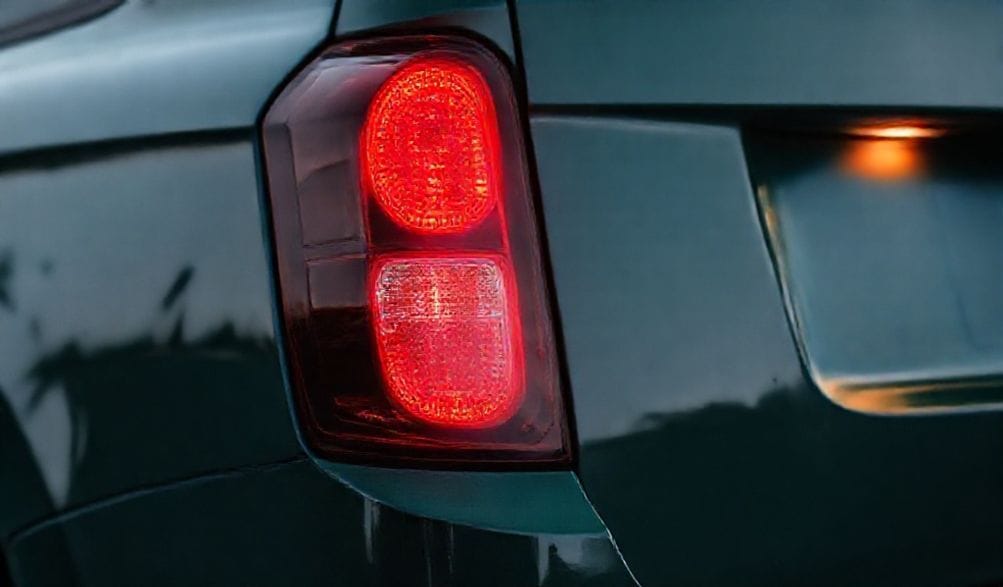
The Complete Guide to Sur Ron Tail Lights: Safety, Legality & Installation
For Sur Ron Light Bee and Storm Bee owners, the stock tail light is often the first component flagged for an upgrade—whether for enhanced visibility, legal compliance, or pure style. Navigating the aftermarket for the right Sur Ron tail light can be confusing, with critical considerations for wiring, durability, and local vehicle regulations. This guide is crafted from hands-on experience and meticulous research to cut through the noise. We’ll provide a clear, trustworthy roadmap to help you choose, install, and benefit from a Sur Ron tail light upgrade that prioritizes your safety on the trail and street, ensuring your electric bike is both impressive and compliant.
Why Upgrade Your Sur Ron Tail Light? Core Benefits Explained
Upgrading isn’t just about looks; it’s a functional and often necessary evolution for your bike. Here’s why investing in a new Sur Ron tail light is one of the smartest first mods you can make.
Enhanced Safety and Visibility
The stock tail light, while functional, is often underwhelming. Aftermarket units dramatically improve your presence on the road or trail. They typically feature:
* Brighter LEDs: Measured in lumens, these lights cut through fog, dust, and low-light conditions far more effectively.
* Brake Light Modulation: Many premium lights feature a hyper-flash or progressive flash pattern when you brake, a proven attention-grabber that alerts following vehicles faster than a static light.
* Improved Side Visibility: Integrated side markers or wraparound lenses ensure you’re visible from oblique angles, crucial at intersections or on winding trails.
For dusk, night, or road riding, this enhanced visibility isn’t a luxury—it’s a critical safety buffer.
Achieving Street Legal Compliance
This is a major motivator. Many regions require specific features for road-legal motorcycles and e-bikes, which the stock Sur Ron setup may lack:
* License Plate Illumination: A dedicated, white light for your plate is a common legal mandate.
* Properly Spaced Turn Signals: If integrated or added, they must meet minimum distance requirements.
* DOT/SAE/E-Mark Certification: These stamps indicate the light meets specific governmental standards for output and durability.
An aftermarket Sur Ron tail light designed for street use often incorporates these features, bridging the gap between an off-road machine and a compliant road vehicle.
Improved Durability and Weather Resistance
The OEM plastic housing can be vulnerable to impacts, vibrations, and the elements. Upgraded lights address this with:
* Robust Housings: Options include CNC-machined aluminum alloy or high-impact polycarbonate that can withstand crashes and debris.
* Superior Sealing: Look for IP (Ingress Protection) ratings like IP65 or IP67, which guarantee resistance to dust and powerful water jets, making your light truly weatherproof.
Aesthetic Customization and Clean Look
Let’s be honest—style matters. The aftermarket offers sleek, integrated designs that eliminate the bulky, “add-on” look. You can achieve a clean, minimalist rear end with lights that incorporate turn signals and running lights into a single, streamlined unit, personalizing your bike’s appearance.
Key Features to Consider When Choosing a Sur Ron Tail Light
Not all tail lights are created equal. Knowing what to look for will ensure you get a unit that fits, functions, and lasts.
Build Quality and Materials
- Aluminum Alloy: Offers premium durability, heat dissipation, and a high-end look. It’s heavier but extremely robust.
- High-Impact Plastic/ABS: Lighter and often more cost-effective. Modern polymers can be very tough and offer excellent design flexibility.
- IP Rating: This is non-negotiable for a component exposed to the elements. IP65 (dust-tight, protected against low-pressure water jets) is excellent. IP67 (can be immersed in 1m of water) is ideal for serious trail riders.
Lighting Technology and Functions
- LED Configuration: Look for quality SMD or COB LEDs known for bright, even output and long life.
- Functions: Ensure the light has distinct modes for:
- Running Light: Constant illumination when the bike is on.
- Brake Light: A significantly brighter output activated by your brake lever sensor.
- Integrated Turn Signals: Often sequential or flashing amber LEDs within the same housing.
- License Plate Light: A dedicated white LED.
Plug-and-Play vs. Custom Wiring
- True Plug-and-Play: This means the new light’s connector matches your bike’s factory harness exactly. It’s crucial to verify this compatibility for your specific Sur Ron model and year. Some kits include adapter harnesses to achieve this.
- Custom Wiring: Some lights require splicing, tapping into wires, or adding a separate controller. This offers more flexibility but requires more electrical skill. Always check what’s included in the kit.
Mounting Style and Compatibility
- Under-Seat: A popular, clean look that mounts directly to the subframe under the seat.
- Fender-Mounted: Attaches to or replaces the rear fender.
- Bracket-Based: Uses a custom or universal bracket to mount to the frame.
Critical: Always confirm the product listing specifies compatibility with your exact model (e.g., Light Bee X, Storm Bee) and model year, as frame designs can change.
Step-by-Step Installation Guide & Wiring Tips
With the right light in hand, a proper installation is key. We’ll walk through the general process. Always refer to your specific kit’s instructions first.
Tools and Preparation You’ll Need
Gather these before starting:
* Hex key/Allen wrench set
* Wire strippers/crimpers
* High-quality electrical connectors (butt, spade) or a soldering iron & solder
* Heat shrink tubing and a heat gun (or electrical tape as a backup)
* Dielectric grease
* Thread locker (blue Loctite)
* Multimeter (for troubleshooting)
* SAFETY FIRST: Disconnect the main battery pack before working on any wiring.
Removal of the Stock Tail Light
- Disconnect the battery.
- Remove the seat to access the tail area.
- Unplug the electrical connector for the stock light.
- Unscrew the mounting bolts/nuts holding the light and its bracket to the frame.
- Carefully remove the assembly, noting the routing of the wiring.
Wiring Connection Deep Dive
This is the core of the install. A true plug-and-play kit will simply connect here. If wiring is needed, follow these principles:
* Identify Wires: Common color codes (but verify with your kit!):
* Red: Running Light/Power (+)
* Black/Brown: Ground (-)
* Yellow/Green: Brake Light Signal (+)
* Blue/Orange: Turn Signal Left
* Light Blue: Turn Signal Right
* Connecting: For a clean, reliable connection, soldering and sealing with heat shrink is the gold standard. If using connectors, ensure they are high-quality and weatherproof.
* Tapping the Brake Signal: You’ll need to tap into the wire from your brake lever switch. Use a multimeter to confirm which wire becomes live when the lever is pulled. Use a T-tap connector or solder for a secure connection.
* Grounding: Find a solid, clean metal point on the frame. Sand away any paint for a perfect connection and secure the ground wire with a ring terminal.
Mounting, Sealing, and Final Adjustments
- Securely mount the new light using the provided hardware. A dab of blue Loctite on threads prevents vibration-induced loosening.
- Apply a small amount of dielectric grease to all electrical connectors before mating them. This prevents corrosion and ensures good contact.
- Neatly route and zip-tie all wiring away from moving parts, sharp edges, and heat sources.
- Reconnect the battery and test all functions: running light, brake light, and turn signals.
- Visually check the aim of your brake light. It should be clearly visible from behind without blinding other riders or drivers.
Top Sur Ron Tail Light Models Reviewed (2024)
Based on community feedback, technical specifications, and installer reports, here are several highly-regarded options. We recommend verifying the latest model compatibility before purchase.
Premium Integrated Option: Kaniwaba Integrated Tail Light
A top choice for a sleek, modern look. This light integrates the brake, running, and sequential turn signals into a single, low-profile red lens bar. It’s typically CNC aluminum, extremely bright, and offers a true “clean tail” aesthetic. Installation can be intermediate, often requiring connection to the bike’s turn signal wires.
Best for Durability: KKE Heavy-Duty LED Tail Light
Favored by hardcore trail riders, this unit prioritizes function and toughness. It often features a metal housing, a super-bright LED array, and a simple, non-integrated design (meaning you may keep or add separate turn signals). Its IP67 rating makes it virtually indestructible against mud and water. Installation is usually straightforward.
Top Plug-and-Play Kit: Kaniwaba Plug & Play Tail Light Kit
This kit is renowned for its beginner-friendly approach. It often includes not just the light, but a complete, pre-made wiring harness with correct connectors for specific Sur Ron years, T-taps for the brake signal, and detailed instructions. It takes the guesswork out of wiring, making a professional-grade install accessible to most.
Maintaining Your New Tail Light and Troubleshooting Common Issues
Protect your investment with simple care and know how to solve common problems.
Routine Cleaning and Inspection Checklist
- Clean the lens with a soft cloth and mild soapy water. Avoid abrasive cleaners.
- Every few months, check the tightness of mounting hardware.
- Inspect wire connections and seals for any signs of wear, cracking, or moisture ingress.
Solving Flickering or Intermittent Operation
This is almost always a connection issue.
1. Check the Ground: A poor ground is the #1 culprit. Ensure the ground connection to the frame is tight and corrosion-free.
2. Inspect Connectors: Unplug, check for corrosion, clean, apply dielectric grease, and reconnect firmly.
3. Check for Pinched Wires: Ensure no wires have been cut or damaged during installation.
Addressing Hyper-Flash or Non-Functional Turn Signals
LEDs draw less current than incandescent bulbs. This lower load can trick your bike’s flasher relay into thinking a bulb is out, causing rapid “hyper-flashing.”
* Solution: Install load resistors (in-line with the turn signal circuit) or replace the stock flasher relay with an LED-compatible electronic flasher relay. The relay is often the cleaner solution.
When to Seek Professional Help
If you encounter complex electrical faults, shorts, or are simply uncomfortable proceeding, consult a qualified motorcycle or e-bike mechanic. Don’t risk damaging your bike’s controller or electrical system.
Frequently Asked Questions (FAQ)
Q1: Is upgrading my Sur Ron tail light necessary for off-road use only?
A: While crucial for street legality, an upgrade is highly recommended even for off-road. A brighter, more robust tail light significantly increases your visibility to other riders in dusty or low-light trail conditions, enhancing group safety.
Q2: Will any motorcycle tail light fit my Sur Ron?
A: Not directly. While the electrical principles are similar, mounting points, connector types, and voltage specifics (Sur Ron uses DC systems) vary. It’s always best to choose a light designed or explicitly adapted for the Sur Ron platform to avoid extensive fabrication.
Q3: How difficult is the installation for a beginner?
A: A true plug-and-play kit can be a straightforward 30-60 minute job with basic tools. Installations requiring wiring modifications or signal tapping are intermediate level. If you’re uncomfortable with vehicle wiring, having a guide (like this one) and taking it slow is key, or consider professional installation.
Q4: Can a tail light upgrade drain my Sur Ron’s battery?
A: A properly installed LED tail light will have a negligible impact on your main battery. LED chips are extremely efficient, drawing far less power than the bike’s motor or controller. A significant drain would indicate a wiring short, not the light itself.
Q5: Where can I find the legal requirements for tail lights in my area?
A: Regulations are set at the state or provincial level (in the US/Canada). We strongly recommend consulting your local Department of Motor Vehicles (DMV) or transportation authority website for the specific codes regarding brake lights, turn signals, license plate illumination, and required certifications (like DOT).
Conclusion
Upgrading your Sur Ron’s tail light is more than a cosmetic tweak; it’s a direct investment in your safety and your bike’s functionality. By prioritizing key features like durability, proper brightness, and the correct wiring approach, you can achieve a clean, professional-looking result that makes your bike stand out for the right reasons. Whether your goal is to pass a road inspection or simply be seen better on the trail, a well-chosen and correctly installed Sur Ron tail light is a fundamental upgrade. Remember, when in doubt about electrical work or legal specifics, consulting a professional is the smartest ride you can take. Now, get out there—and ride safely.
METADATA_START—
DISPLAY_TITLE: The Complete Guide to Sur Ron Tail Lights: Safety, Legality & Installation
SEO_TITLE: Sur Ron Tail Light Upgrade Guide 2024 | Buyer’s Resource & Installation
META_DESC: Complete 2024 guide to upgrading your Sur Ron tail light. Learn about safety benefits, street legality, key features, step-by-step installation, top models, and maintenance tips.
IMG_PROMPT: A sleek, aftermarket LED tail light installed on a Sur Ron Light Bee electric bike, showcasing bright red brake light illumination against a dusk background, with tools like hex keys and wiring in the foreground.
—METADATA_END—