
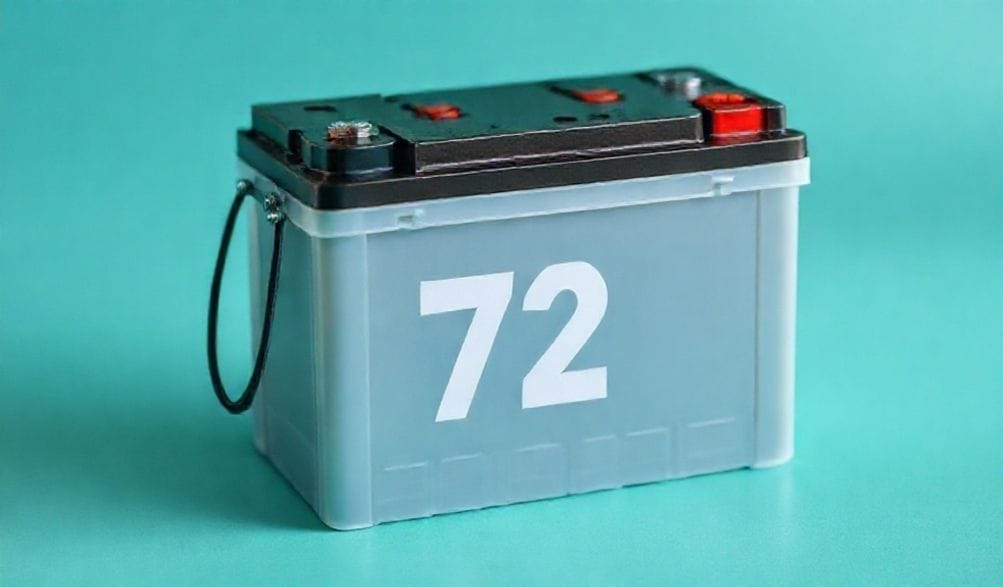
The Ultimate Guide to 72V Batteries: Power, Performance, and Practical Applications
引言
You’re halfway up a steep hill on your electric golf cart, and you feel it—that dreaded lag in power. Or perhaps, during a critical nighttime outage, your home’s backup system blinks off, unable to sustain the load. These moments of power failure aren’t just inconvenient; they highlight a fundamental mismatch between our energy demands and the power source supplying them. In the world of robust, high-demand applications, the 72V battery system emerges as a formidable solution, offering the necessary “muscle” where lower-voltage systems fall short.
With over a decade of hands-on experience in renewable energy system design and electric vehicle conversions, I’ve integrated, tested, and sometimes wrestled with battery packs of all voltages. This guide is born from that practical experience in the workshop and the field, synthesized with current technical data to cut through the marketing hype. My goal is to provide you with a comprehensive, unbiased resource. Whether you’re an EV enthusiast, a homeowner planning an off-grid system, or an operations manager for a fleet of industrial equipment, this guide will help you understand if a 72V battery is right for you and how to select, use, and maintain it safely and effectively.
We’ll start by demystifying the core technology, explore where these batteries truly excel, and then walk through a practical buyer’s checklist. Finally, we’ll cover the critical, non-negotiable practices for installation, maintenance, and safety. Let’s dive into the high-voltage world of reliable power.
What is a 72V Battery? Understanding the Core Technology
At its heart, a 72V battery is an energy storage device that provides a nominal voltage of 72 volts. But that number alone doesn’t tell the full story. It represents a specific tier in electrical systems, chosen for its optimal balance of power delivery, efficiency, and manageable complexity for high-performance applications.
Voltage Explained: Why 72 Volts?
Think of voltage as electrical “pressure.” A higher voltage system can deliver the same amount of power (watts) as a lower voltage system but with less current (amps). This is crucial because of the formula: Power (Watts) = Voltage (Volts) x Current (Amps).
To deliver 7200 watts of power:
* 而 12V system would need to push a staggering 600 amps.
* 而 72伏 system only needs 100 amps.
Lower current means you can use thinner, lighter, and less expensive wiring. It also reduces energy loss as heat (since heat loss is proportional to the square of the current, I²R). This makes 72V a “sweet spot” for medium-to-large applications—it provides high power without the extreme safety challenges and component costs associated with the very high currents of lower-voltage systems or the ultra-high voltage complexities of automotive EV systems (often 400V+).
Common Chemistries: From Lead-Acid to Lithium-Ion
The “72V” label tells us the pressure, but the chemistry determines the battery’s personality—its energy density, lifespan, safety, and cost.
-
Lithium-Ion (LiFePO4 & NMC): This is the modern standard for new high-performance systems. Within this family, Lithium Iron Phosphate (LiFePO4 or LFP) is the star for most 72V applications.
- 优点: Exceptional cycle life (3,000 to 5,000+ cycles), superior thermal and chemical stability (inherently safer), high efficiency (near 99% round-trip), lightweight, and maintenance-free. It can also be regularly discharged to 80-90% of its capacity without significant degradation.
- 缺点: Higher upfront cost per kWh compared to lead-acid.
- NMC (Nickel Manganese Cobalt) variants offer slightly higher energy density (more range in a smaller pack) but often at the expense of cycle life and thermal stability compared to LiFePO4.
-
Sealed Lead-Acid (SLA/AGM): The legacy technology, still found in many older systems.
- 优点: Very low initial purchase cost and simple charging requirements.
- 缺点: Extremely heavy, low energy density, short cycle life (300-500 cycles if deeply discharged), slow charging, and significant performance loss in cold weather. They also require careful management to avoid sulfation and must typically not be discharged below 50% State of Charge (SOC) for longevity.
- ,您需要决定购买什么。Surron 的产品线虽然专注,但为不同的骑手提供了明确的选择。让我们来分析一下您会遇到的两款主要车型。 Extremely tight budgets where weight and space are not concerns, or as a direct replacement in an existing system not worth converting to lithium.
| Chemistry | Pros | Cons | Best For |
| :— | :— | :— | :— |
| LiFePO4 (Lithium) | Long life, safe, lightweight, efficient, deep discharge capability. | Higher upfront cost. | Most new applications: EVs, solar storage, marine—where performance & TCO matter. |
| SLA/AGM (Lead-Acid) | Low initial cost, simple. | Very heavy, short life, poor efficiency, sensitive to deep discharge. | Legacy/budget systems: Where the existing infrastructure and minimal cost are paramount. |
Key Components: BMS, Cells, and Housings
A 72V battery pack is more than just a collection of cells.
- Cells: These are the fundamental building blocks. A 72V LiFePO4 battery is typically built by connecting many 3.2V nominal cells in series. For example: 72V / 3.2V ≈ 22.5 cells. In practice, this is achieved with 24 cells in series (24S) to reach 76.8V nominal, which is commonly marketed as a 72V system.
- 电池管理系统: This is the essential brain and guardian of a lithium battery. A quality BMS is non-negotiable. It performs several critical functions:
- 电芯均衡: 确保所有独立电芯组均匀充放电,防止任何单节电芯过载。.
- 保护功能: Monitors for over-voltage, under-voltage, over-current, and short circuits, disconnecting the battery to prevent damage or danger.
- Temperature Management: Prevents charging in freezing conditions (which can permanently damage Li-ion cells) and monitors for overheating.
- Communication: Often provides data (SOC, health, errors) via display screens or Bluetooth apps.
- Housing and Connectors: A robust metal or hard plastic case protects the cells from physical impact and the elements. Look for an IP(侵入防护)等级 (e.g., IP65) which indicates dust and water resistance. High-quality, high-current terminals (like Anderson SB connectors or M8 bolts) are also vital for safe and reliable connections.
主要应用领域:72V电池系统的优势场景
72V电池并非用于驱动手电筒;它专为需要强劲、持续功率的应用而设计。以下是其大放异彩的领域。.
电动汽车与移动出行
这是72V电池组最具活力且增长最快的领域。.
* 电动摩托车与高性能踏板车: 72V电压提供了理想的功率重量比,可实现激动人心的加速和满足高速公路行驶的速度。它是许多高端电动越野摩托车、咖啡赛车和快递踏板车的首选电压。.
* 高尔夫球车与低速车辆: 将高尔夫球车或社区电动车从48V升级至72V,可直接带来更好的爬坡扭矩、更高的最高时速以及更长的单次充电续航里程,尤其是在升级为锂电池的情况下。.
* 汽车电动化改装: 对于将经典车或套件车改装为电动汽车的DIY爱好者而言,72V是一个流行且易于管理的电压等级。它在提供良好性能所需的功率与将电气系统控制在熟练爱好者可操作范围内(相对于量产电动汽车中300V以上的系统)之间取得了极佳的平衡。.
可再生能源存储
对于离网和备用电源系统,72V系统可提供可观的能量容量。.
* 离网与备用太阳能系统: 72V电池组非常适合为整个家庭或关键子配电盘供电。它可以存储来自太阳能电池板的足够能量,以度过夜晚和阴天。重要提示:大多数常见的离网逆变器是为48V电池组设计的。要使用72V电池,您必须:
1. 寻找一款接受72V直流输入的特殊逆变器(较不常见)。.
2. 使用大功率DC-DC转换器将72V降压至48V以供逆变器使用。.
3. 以特定配置连接两个独立的48V和24V系统(更复杂)。.
工业与商业设备
在商业运营中,可靠性和运行时间就是金钱。.
* 地面清洁机、叉车、牵引车: 在洗地机或叉车中用72V磷酸铁锂电池组替换铅酸电池,可以消除午间充电需求,减少停机时间,并降低维护成本,因为设备通常可以连续运行多个完整班次。.
* 船舶与房车应用: 对于较大的船只和房车,72V电池组可以高效地为“生活设施”负载(照明、电器、暖通空调)长时间供电。它也是帆船上大功率电动艏侧推器或辅助驱动的首选电压。.
如何选择正确的72V电池:买家清单
了解了“为什么”和“在哪里”使用之后,下一步就是选择合适的电池单元。不要只购买最大或最便宜的。要根据您的需求进行匹配。.
容量(Ah/kWh):计算您的能量需求
容量告诉您“油箱”里有多少能量。它以安时(Ah)或更便于比较的千瓦时(kWh)来衡量。. 1 kWh = 1000瓦功率运行1小时。.
简单公式: (负载总功率 * 使用小时数)/ 系统电压 = 所需的大致安时数(Ah)
示例: 您想在72V系统上运行一台1500W的电机2小时。.
(1500W * 2h)/ 72V = 41.7 Ah
关键缓冲: 为了电池健康(尤其是锂电池),您不应定期使用额定容量的100%。务必增加 20-30%的缓冲. 。在此例中,您需要一块容量至少为 ~54 Ah (41.7 Ah * 1.3)的电池。.
需重点对比的技术规格
不要只看销售页面上的电压和容量。.
* 持续与峰值放电电流(A): 这是电池的“呼吸能力”。 持续 放电额定值必须超过您的电机或逆变器的正常工作电流。 峰值 (或浪涌)额定值必须能处理短时功率爆发,例如电动汽车加速或电机启动。. 超过这些额定值将触发BMS关机或导致损坏。.
* 循环寿命与保修: 一个循环是指一次完整的充放电。一款额定在80%放电深度下可达3,500次循环的优质磷酸铁锂电池,其使用寿命将远超额定在100%放电深度下为2,000次循环的电池。保修期(通常为3-10年)是制造商信心的体现。.
* 充电规格: 兼容哪种充电器?最大充电电流(A)是多少?最重要的是,注意 工作与充电温度范围。. 在0°C(32°F)以下为标准锂离子电池充电可能导致永久性、危险的内部分层。.
* 重量与尺寸: 对于移动应用,每一磅都至关重要。一个72V 100Ah的磷酸铁锂电池组重量可能在~120磅左右,而一个类似的铅酸电池组重量可能超过600磅。.
品牌声誉与供应商审查
尽职调查在此处将带来安全性和使用寿命方面的回报。.
* 调研: 寻找拥有多年行业记录的品牌。阅读论坛和行业网站上的独立评测,而不仅仅是卖家网站上的推荐。.
* 认证: 合法的安全认证至关重要。寻找 UL 1973 (固定存储标准)、, UL 2580 (车用电池标准)、, UN38.3 UN 38.3 CE (运输强制要求)和.
* 主要注意事项: 线上市场充斥着极其廉价、无品牌的锂电池。. 这些电池存在重大的安全隐患。. 它们通常使用劣质、回收或配组不当的电芯,并配备不完善或假冒的电池管理系统(BMS)。那句老话说得好:“要么买好的,要么买两次。”对于高压电池而言,第二次购买的可能就是灭火器或一辆新车了。.
安装、维护与安全最佳实践
即使是顶级电池,也可能因安装不当或维护疏忽而受损。请严格遵守以下指南。.
专业安装与自行安装
- 专业安装(强烈建议适用于): 全屋储能系统、复杂的电动汽车改装,以及任何与家庭交流电线路或复杂太阳能阵列的集成。高压直流电的风险真实存在,持证电工或系统集成商将确保符合规范和安全。.
- 自行安装(适用于知识丰富的爱好者): 如果您对直流电气系统、欧姆定律和正确的电路保护有扎实的理解,可以尝试诸如升级高尔夫球车或构建简单的离网电源箱等项目。. 前提条件包括: 绝缘工具、万用表、额定值正确的保险丝/断路器以及合适的布线指南。.
常规维护以延长使用寿命
- 对于锂(磷酸铁锂)电池: 维护工作极少但至关重要。.
- 监控: 利用BMS通信(应用程序或显示屏)定期检查电芯平衡和整体健康状况。.
- 保持清洁与干燥: 确保端子紧固且无腐蚀。.
- 储物空间: 如需存储数月,请充电至约50-60%的荷电状态(SOC),并储存在阴凉干燥处。每隔数月检查一次电压。.
- 对于铅酸电池:
- 加水: 对于富液式电池,需定期检查并使用蒸馏水补充电解液液位。.
- 均衡充电: 定期进行均衡充电,以防止硫酸盐化。.
- 端子: 清洁端子以防止腐蚀并确保良好连接。.
不容妥协的安全规程
- 安装保险丝! 务必 安装额定值正确的保险丝或直流断路器, 并尽可能靠近电池正极端子。. 这是防止短路的第一道防线,短路可能导致灾难性火灾。.
- 牢固安装: 电池必须牢固固定以防止移动,尤其是在车辆中。振动可能破坏连接并损坏电芯。.
- 环境: 在通风良好的区域储存和运行,避免阳光直射、潮湿以及极端温度(过热或过冷)。.
- 个人防护装备: 在进行连接操作时,请佩戴安全眼镜和绝缘手套。一把松动的金属扳手若在72V的电池端子间搭接,可能瞬间焊接在一起,造成严重烧伤或产生电弧闪光。.
关于72V电池的常见问题(FAQ)
Q1:72V锂电池能用多久?
答: 以年计,优质的磷酸铁锂电池可使用 8至15年, 具体取决于使用情况。更技术性的说法是,其额定 循环寿命为3000至7000次以上全充放循环。. 如果您每天使用其80%的容量,那就是超过3000天的使用时间——超过8年。放电深度和工作温度是影响寿命的最大因素。.
Q2:我能将72V电池用于48V电机或逆变器吗?
A:不,不能直接使用。. 将72V电源连接到48V设备几乎必定会因过压而立即损坏设备。要使它们兼容,您必须使用 直流-直流降压转换器, 该转换器需专门额定能够处理输入电压(72V+)以及您的48V设备所需的功率(以瓦特计)。.
Q3:锂电池和铅酸电池的实际成本差异是什么?
答: 您必须考虑 总拥有成本. 总拥有成本。虽然一个72V 100Ah的磷酸铁锂电池组前期成本可能是同等 标称 标称 容量铅酸电池组的2-3倍,但铅酸电池组只有大约一半的 可用.
容量(如果您不想让它很快报废)。更重要的是,锂电池组的使用寿命是铅酸的4-8倍,无需维护,并且效率高出15-30%(因此充电成本更低)。在10年的时间跨度内,锂电池几乎总是更经济的选择。
答: Q4:72V电池危险吗? 任何集中的能量源都需要谨慎对待。一个72V直流系统可能造成危险、甚至致命的电击。然而,一个 设计得当、 配备稳健BMS、, 正确安装保险丝、 ,具有 并按照指南, 以及 进行维护的锂电池(尤其是磷酸铁锂电池),是一个非常安全可靠的组件。主要危险源于物理损坏(刺穿)、不当充电(使用错误充电器)、极端温度,或者最常见的是——使用质量控制差、未经认证的廉价电池。 72V电池是现代能源工具包中的强大工具,完全能够满足高性能电动出行、稳健的可再生能源存储以及严苛商业应用的需求。其优势日益与磷酸铁锂(LiFePO4)化学体系卓越的安全性、长寿命和高效率紧密相连。.
结论
正如我们所探讨的,项目成功的关键不在于寻求绝对最低的价格,而在于仔细地将电池的规格——容量、放电率、化学体系和质量——与您特定应用的真实功率需求相匹配。优先选择拥有合法安全认证和良好信誉的品牌。.
如果您正在规划一个系统,尤其是与您的家庭、车辆或业务相关的系统,咨询持证电工或专业系统集成商是最明智的第一步。对于那些希望继续深入研究的人,可以深入探讨诸如[太阳能电池容量计算]和[如何解读BMS数据与警报]等主题。.
最终行动呼吁: 投资可靠的72V电池系统不仅仅是一次购买;它是对性能、独立性,尤其是安全与安心的投资。明智地为您的项目提供动力。.
Investing in a reliable 72V battery system is more than a purchase; it’s an investment in performance, independence, and, above all, safety and peace of mind. Power your projects wisely.
METADATA_START—
DISPLAY_TITLE: 72V电池终极指南:功率、性能与应用
SEO_TITLE: 72V电池指南:磷酸铁锂、电动汽车、太阳能存储及选购要点