
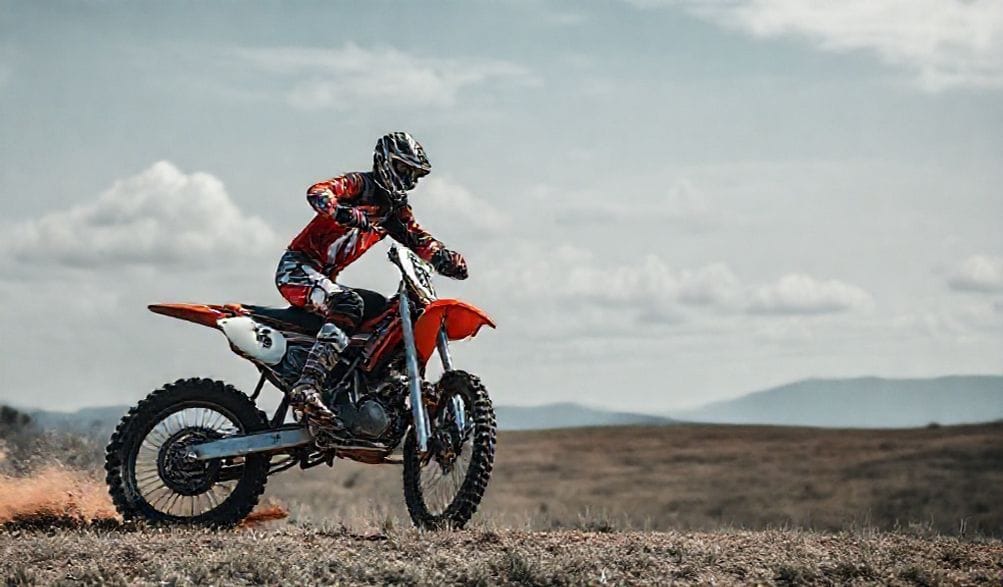
The Ultimate Guide to MX Motorcycles: Mastering Motocross Performance & Selection
The gate drops. A symphony of high-revving engines erupts, a wall of sound that hits you in the chest. The first turn is a chaotic ballet of sliding tires and elbows-out determination. You hit the rhythm section, the suspension compressing and rebounding beneath you as you float over whoops. Then, the jump—a moment of weightless silence before the rear tire hooks up and propels you forward. This is 越野摩托车赛. It’s raw, demanding, and utterly exhilarating. At the heart of this experience is a singular machine: the MX motorcycle. More than just a bike, it’s a precision instrument, a physical extension of the rider, built for one purpose: to dominate the dirt.
This guide is born from countless hours in the saddle, in the garage with grease under our fingernails, and from deep within the motocross community. Whether you’re a wide-eyed beginner dreaming of your first bike, an intermediate rider seeking that crucial upgrade, or a parent navigating the world of youth racing, our goal is to demystify these incredible machines. We’ll walk you through their evolution, break down their complex anatomy, and provide a clear, trustworthy roadmap for selecting, maintaining, and riding the right MX bike for you. By the end, you’ll have the foundational knowledge to make informed decisions and unlock the full potential of your motocross journey.
What is an MX Motorcycle? Defining the Dirt Specialist
An MX (Motocross) motorcycle is a purpose-built, off-road competition machine designed exclusively for closed-course racing on rough, natural or artificial terrain. It is not a street bike, a trail bike, or an adventure tourer. Every component, from its frame geometry to its tire tread, is optimized for explosive acceleration, precise handling over obstacles, and maximum durability under extreme stress.
Core Design Philosophy: Lightweight, Powerful, Agile
The mantra of every MX engineer is “light, strong, and fast.” This philosophy manifests in key features:
* High Ground Clearance & Long-Travel Suspension: To absorb massive impacts from jumps, ruts, and whoops without grounding out.
* Aggressive Knobby Tires: Designed to dig into soft dirt and provide grip in corners, with an open tread pattern that sheds mud.
* Minimalist Bodywork: Lightweight plastic shrouds, fenders, and number plates that can withstand crashes and are easily replaced.
* No Road-Legal Equipment: You won’t find headlights, turn signals, mirrors, or a license plate bracket. Excess weight is the enemy.
* Peaky, High-Output Engines: Tuned for maximum horsepower in a specific RPM range, demanding an active riding style.
A Brief History: From Scrambling to Modern Motocross
The roots of motocross lie in European “scrambles” and “hare scrambles” of the early 20th century, where riders raced modified street bikes across countryside trails. The sport evolved, and by the 1960s, Japanese manufacturers like 本田 与 雅马哈 entered the fray, revolutionizing it with lightweight, two-stroke engines. The 1970s saw the birth of true specialization with bikes like the Yamaha Monoshock, which introduced a single rear shock absorber. The modern era was truly defined in the late 1990s and early 2000s with the seismic shift to high-performance four-stroke engines, led by brands like KTM and Yamaha. Today, MX bikes are technological marvels featuring fuel injection, electric start, traction control, and launch control, all wrapped in featherweight aluminum or carbon-fiber frames.
Anatomy of an MX Bike: Key Components Explained
Understanding what makes an MX bike tick is crucial for selection, setup, and maintenance. Let’s dissect the major systems.
Engine Types: 2-Stroke vs. 4-Stroke Deep Dive
This is the great debate, and each has a passionate following.
* 2-Stroke (e.g., YZ125, KTM 250 SX):
* 动力输出: Explosive, “hit” of power in a narrow RPM band. Demands more clutch work and active riding.
* 维护: Simpler engine design with fewer parts. Top-end rebuilds (piston/ring) are more frequent but generally cheaper and easier for a home mechanic.
* 重量: Typically 10-20 lbs lighter than an equivalent 4-stroke, aiding handling.
* 声音与气味: Distinctive high-pitched “braap” and the smell of burnt premix oil.
* 成本: Usually less expensive to purchase and rebuild.
- 4-Stroke (e.g., CRF450R, KX450):
- 动力输出: Broad, linear, and tractable. Easier to control, with massive torque available from low RPMs.
- 维护: Complex engine with valves, camshafts, and timing chains. Service intervals can be longer, but major failures (like a dropped valve) are catastrophic and expensive.
- 重量: Heavier, which can contribute to stability but requires more effort to maneuver.
- Dominance: The choice for nearly all professional racers due to their traction and predictability.
The modern landscape sees a resurgence of 2-strokes for their fun factor and lower running costs, while 4-strokes remain dominant at the pinnacle of racing.
Suspension Systems: Forks, Shocks, and Setting Sag
Suspension is arguably the most critical performance system on an MX bike. It controls traction, stability, and rider comfort.
* 部件: Modern bikes use inverted (upside-down) telescopic forks in the front and a single shock absorber in the rear, connected via a linkage system to optimize the wheel’s path.
* 可调性: Forks and shocks have adjustments for:
* Preload: Sets the initial ride height/sag.
* Compression Damping: Controls how fast the suspension compresses over a bump.
* Rebound Damping: Controls how fast the suspension extends after a bump.
* Setting Race Sag: This is the first and most important setup step. It involves measuring how much the rear suspension compresses under the rider’s weight. Correct sag (usually 100-110mm) ensures proper chassis balance and handling. Always set sag for your specific weight.
Frame, Geometry, and Ergonomics
The frame is the bike’s skeleton, and its design dictates how it behaves.
* 材料: Aluminum is the standard for its strength-to-weight ratio; some brands use steel for specific flex characteristics.
* 几何结构: Rake (fork angle) and trail measurements determine stability at speed versus quickness in turns. Modern bikes have steep geometry for agile cornering.
* 人机工程学: The relationship between the handlebars, footpegs, and seat is vital. Riders often customize this “cockpit” with different handlebar bends, risers, or footpeg positions to suit their height and riding style for optimal control and comfort.
Choosing Your MX Motorcycle: A Buyer’s Guide for Every Rider
Selecting the right bike is about honest self-assessment, not just picking the coolest graphics.
Assessing Your Skill Level: Beginner, Intermediate, Expert
- 初学者: Focus on control and building confidence. A full-size 450cc 4-stroke is too much bike. Opt for:
- A 250cc 4-stroke (e.g., CRF250F, KLX230R) – manageable power, forgiving.
- A 125cc 2-stroke – teaches clutch and throttle control; light weight is forgiving.
- Consider a used bike from a major brand in good condition.
- 中级骑手: You’re comfortable on the track and want to go faster.
- A 250cc 4-stroke MX race bike (e.g., YZ250F, KTM 250 SX-F) is the quintessential choice.
- A 250cc 2-stroke offers a potent, lightweight challenge.
- Expert/Pro: You need peak performance and adjustability.
- A 450cc 4-stroke provides ultimate power and traction.
- A 250cc 2-stroke or 350cc 4-stroke for riders who prefer finesse over brute force.
New vs. Used: Pros, Cons, and Inspection Checklist
- 新车:
- 优点: Latest technology, full warranty, known history, perfect condition.
- 缺点: Highest cost, immediate depreciation.
- 二手车:
- 优点: Significant cost savings, slower depreciation.
- 缺点: Unknown history, potential for hidden issues, outdated tech.
- 检查清单: Frame/Subframe: Check for cracks, bends, or repair welds. 原厂轴承通常是密封的工业级滚珠轴承。它们足以满足滑板车的预期用途,但在重载或潮湿条件下往往是首个出现机械故障的点,会产生明显的研磨声或隆隆声。 Grab the swingarm and wheels, feeling for any play. 避震系统: Look for oil leaks from fork seals or the shock body. 发动机: Check cold starting, listen for unusual noises, and (if possible) do a compression test. 常规检查: Look for rounded-off bolt heads, excessive wear on sprockets/chain, and overall cleanliness (a clean bike is often a cared-for bike).
Top MX Bike Models & Brands for 2024
- KTM/Husqvarna/GasGas: The Austrian group leads with cutting-edge tech (WP XACT suspension, Brembo brakes), electric start across the range, and a reputation for razor-sharp handling.
- Yamaha YZ: The iconic blue brand is praised for its sublime, class-leading KYB suspension and bulletproof reliability. The YZ125 and YZ250 2-strokes remain in production and are hugely popular.
- Honda CRF: Synonymous with refinement and smooth power delivery. Known for excellent ergonomics and handling balance.
- 和 Offers brutal, linear power and a very stable chassis. Consistently a top contender.
- Suzuki RM-Z: Often considered the value proposition, with strong engines and capable handling.
Essential MX Gear: Safety Beyond the Bike
Your gear is not an accessory; it is your primary safety system. Never compromise on protection.
Non-Negotiable Safety Equipment: Helmet, Boots, Chest Protector
- 头盔: This is your most important purchase. Look for the latest SNELL M2020 或 ECE 22.06 certification. Fit is paramount—it should be snug without pressure points. Consider models with MIPS or similar rotational impact systems.
- 靴子: MX boots protect your feet, ankles, and lower legs from impacts, twists, and burns. Modern boots feature hinged designs for better mobility, replaceable soles, and sophisticated buckles. Don’t wear work boots.
- 胸甲/防溅板: Protects your torso from flying rocks (roost) and impacts in a crash. Many integrate shoulder, elbow, and back protection.
Performance and Comfort Apparel: Jerseys, Pants, Gloves, Goggles
- 骑行服和裤子: Made from lightweight, breathable, and tear-resistant materials like polyester mesh. They are designed for freedom of movement and include padding at the knees and hips.
- 手套: Improve grip, protect hands from blisters and abrasion, and often include padding on the back.
- 护目镜: Essential for eye protection. Key features include a wide field of view, anti-fog/ventilation systems, and tear-off or roll-off systems for muddy conditions. Always have a spare, clean lens.
Maintaining Your MX Motorcycle: Reliability and Performance
Motocross is the most demanding form of motorcycle sport. Preventative maintenance is not optional; it’s a matter of safety and performance.
骑行前与骑行后检查清单
- 骑行前检查: Air filter (clean and oiled), tire pressure, chain tension/lubrication, coolant level, brake fluid level, throttle/clutch operation, and general bolt tightness (especially axle and handlebar clamps).
- 不合法。在大多数地区,它们超出了法定电动自行车的功率(750W-1000W)和速度(20-28英里/小时)限制。它们缺少作为机动车辆注册所需的设备,如后视镜、转向灯和车辆识别号码。 Clean the bike thoroughly. This allows you to inspect for damage, loose parts, or leaks. Lube the chain while it’s warm. Service the air filter if it’s dirty.
Basic Maintenance Schedule: Oil, Filters, and Air Filter Service
MX bikes live a hard life. Intervals are much shorter than for street bikes.
* 发动机机油与滤清器: Change every 5-10 hours of ride time for 4-strokes, more frequently for 2-strokes (transmission oil). Use the oil type and weight specified in your manual.
* 空气滤清器: Service every ride. A dirty air filter is the fastest way to destroy an engine. Clean with solvent, let dry, and re-oil with proper filter oil.
* Coolant: Replace at least once per season. Check for proper level and mixture.
Knowing When to Seek a Professional Mechanic
While learning basic maintenance is empowering, know your limits. Tasks best left to certified technicians include:
* 发动机内部维修(上端重建、下端曲轴服务、四冲程发动机气门调整)。.
* 悬架系统维护(更换油封、氮气补充充填、阀门重新调校)。.
* 校正车轮或修复开裂的车架/前叉。.
与一位优秀的机械师建立关系是这项运动不可或缺的宝贵部分。.
关于越野摩托车的常见问题(FAQ)
Q1: What’s the best MX motorcycle for a complete beginner?
答: 对于大多数成年初学者来说,一辆250cc四冲程林道或入门级越野摩托车(如本田CRF250F)是理想选择。它提供易于掌控的线性动力和宽容的车架。对于更年轻或体重较轻的骑手,125cc二冲程摩托车可以成为练习油门控制的绝佳教具。始终优先选择你能掌控的摩托车,而非动力最强的。.
Q2:我能让我的越野摩托车合法上路吗?
答: 在大多数司法管辖区,这极其困难且通常不合法。越野摩托车缺乏必要的设备(灯光、喇叭、后视镜、DOT认证轮胎、排放认证),并且所有权证书上标注“仅供越野使用”。其成本和复杂性令人望而却步。如果你需要一辆能合法上路的摩托车,请从专为此目的设计的双运动或耐力赛车型开始。 越野摩托, Q3:越野摩托车需要多久进行一次上端重建?.
这差异巨大。对于高强度比赛的125cc二冲程摩托车,可能短至20-30小时。用于中等强度越野比赛的250cc四冲程摩托车可能可以坚持50-80小时。激进驾驶的450cc四冲程摩托车可能需要每30-50小时进行一次检修。最佳建议是:遵循您工厂维修手册的推荐,并留意动力损失或启动困难等迹象。
答: Q4:对于一辆原厂越野摩托车,最重要的单一升级是什么? 根据您的确切体重、技能水平和骑行风格进行的专业悬架调校。一辆为您量身调校好悬架的摩托车,在提升操控性、舒适性和安全性方面,胜过任何发动机改装。在此之后,投资适合您当地地形的高品质轮胎是性价比次高的性能升级。 选择和骑行越野摩托车,是一段将精密机器与个人抱负和能力相匹配的旅程。它需要对技能进行诚实的评估、对安全不懈的承诺以及对细致维护的投入。请记住,在越野摩托车运动中,通往速度与技能的道路是由骑行时间铺就的,而不仅仅是靠改装零件。您通过与爱车建立联系——通过了解其机械原理、调校其悬架、以及在艰苦骑行后悉心保养——是这项运动带来满足感的基本组成部分。 250cc四冲程 我们鼓励您运用这些知识,与您当地的骑行社区建立联系以获得指导和友谊,并始终尊重赛道与小径。越野摩托车的世界深邃且回报无穷。现在,出发吧,启动您的摩托车,感受泥土飞扬。 DISPLAY_TITLE:越野摩托车终极指南:掌握越野摩托运动 SEO_TITLE:2024越野摩托车指南:选择、骑行与保养您的越野摩托车.
META_DESC:您的越野摩托车完全指南。了解二冲程与四冲程的区别,如何根据您的技能水平选择合适的摩托车,必备装备,以及专家维护建议。
答: IMG_PROMPT:一张充满动感的高清动作照片,展现一辆现代越野摩托车(如KTM 450 SX-F或雅马哈YZ250F),在阳光明媚的赛道上飞越一个平坡跳台,后轮扬起泥土,骑手全套装备,姿态完美呈攻击姿势。图像应传达出速度、力量以及越野摩托运动的精髓。 mx motorcycle.
结论
Choosing and riding an MX motorcycle is a journey of matching a precision machine to your own ambitions and abilities. It requires an honest assessment of skill, a commitment to relentless safety, and a dedication to meticulous maintenance. Remember, the path to speed and skill in motocross is paved with seat time, not just aftermarket parts. The connection you build with your bike—through understanding its mechanics, tuning its suspension, and caring for it after a hard ride—is a fundamental part of the sport’s satisfaction.
We encourage you to take this knowledge, connect with your local riding community for mentorship and camaraderie, and always respect the track and the trails. The world of motocross is deep and endlessly rewarding. Now, get out there, start your bike, and feel the dirt fly.
METADATA_START—
DISPLAY_TITLE: The Ultimate Guide to MX Motorcycles: Mastering Motocross
SEO_TITLE: MX Motorcycle Guide 2024: Choose, Ride & Maintain Your Dirt Bike
META_DESC: Your complete guide to MX motorcycles. Learn the difference between 2-stroke & 4-stroke, how to choose the right bike for your skill level, essential gear, and maintenance tips from experts.
IMG_PROMPT: A dynamic, high-resolution action shot of a modern motocross bike, like a KTM 450 SX-F or Yamaha YZ250F, mid-air over a tabletop jump on a sunny race track, with roost flying from the rear tire and a rider in full gear in perfect attack position. The image should convey speed, power, and the essence of motocross.
—METADATA_END—